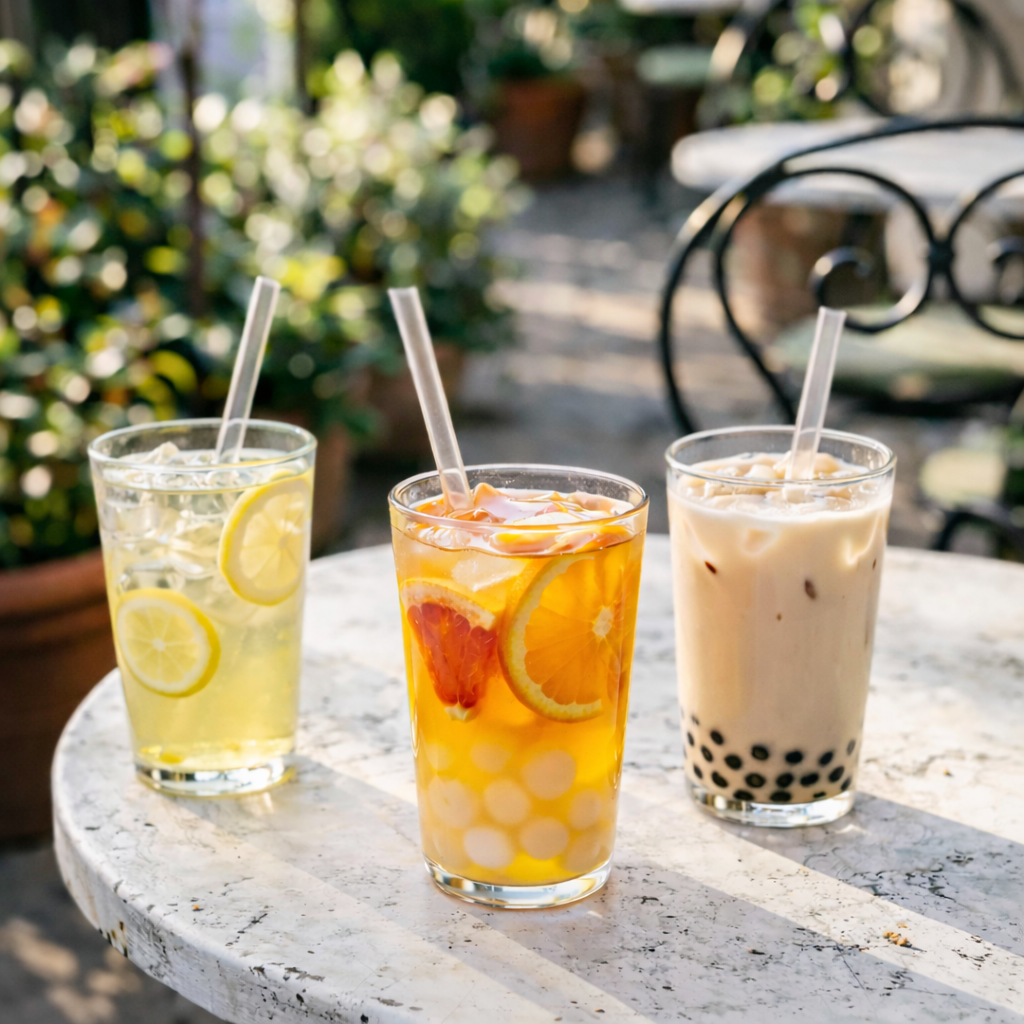
Can You Drink Bubble Tea While Pregnant?
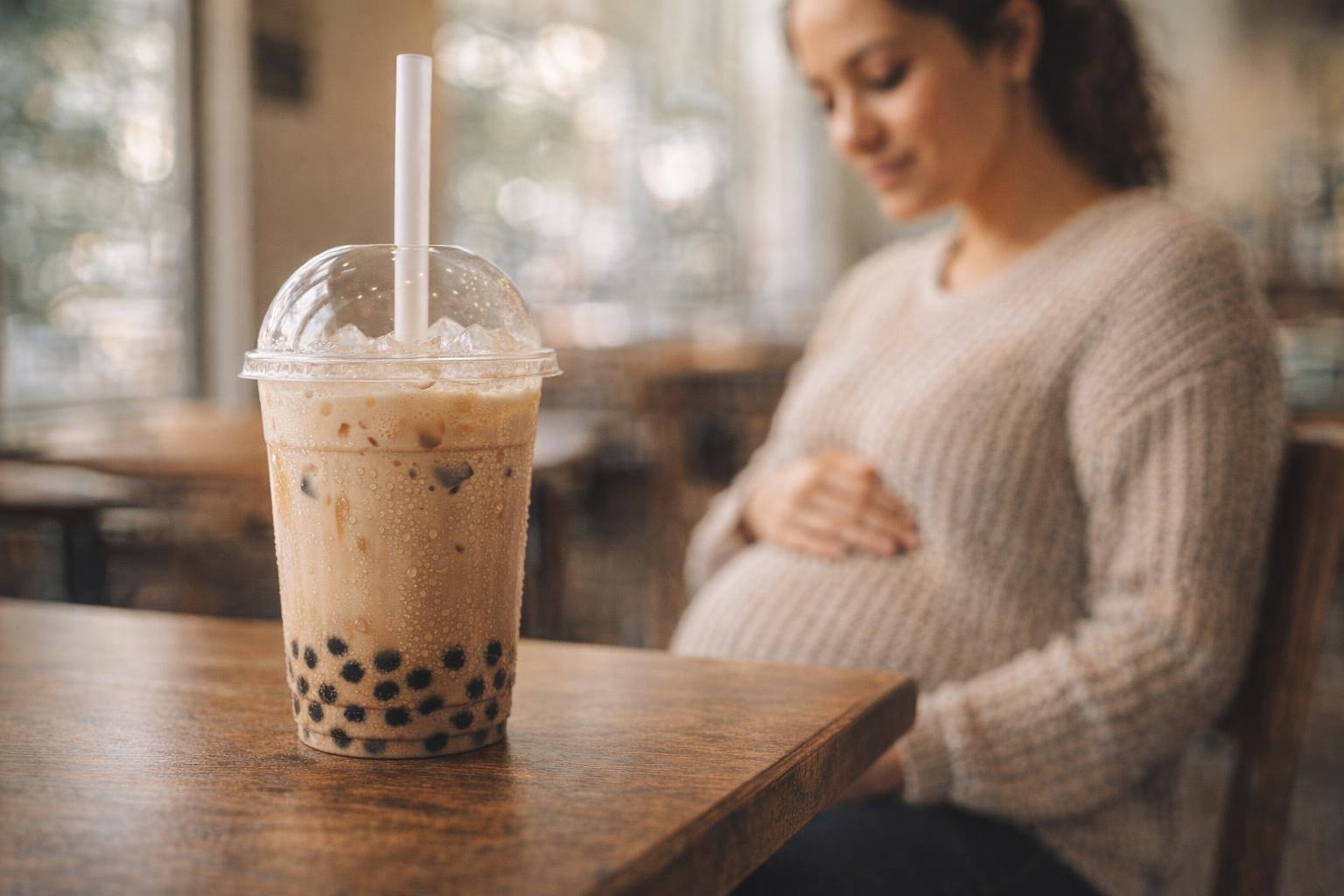
Yes, you can usually drink bubble tea while pregnant, but it depends on the tea base, the caffeine, and whether the ingredients are pasteurized. If you have been wondering can you drink bubble tea while pregnant, the short answer is usually yes, but the exact order matters.
ACOG recommends keeping caffeine under 200 mg a day during pregnancy, and CDC and FDA food safety guidance also matters if your drink contains dairy, juice, or fresh add-ins.
If you are pregnant and have a high-risk pregnancy, gestational diabetes, caffeine restrictions, or any other concerns about certain ingredients, please talk to your doctor or midwife before drinking bubble tea.
This post is for general information only and is not medical advice. If you are pregnant, have been told to watch your caffeine or blood sugar, or are unsure about a specific drink, check with your doctor or midwife before ordering.
Pregnancy has a way of turning a very normal craving into a small research project.
When I was pregnant, I found that the craving was often more about wanting something cold and familiar than wanting the biggest or sweetest drink on the menu.
Bubble tea is one of those drinks. On the surface, it sounds simple. Then you stop and think about what might actually be in the cup. Tea. Milk. Fruit. Pearls. Toppings. Maybe cheese foam. Maybe jelly. Maybe something herbal with a cute name that tells you absolutely nothing.
So the answer is not really about bubble tea as a category. It is about the order.
What matters most if you want bubble tea while pregnant
The three main things to watch are caffeine, ingredients, and how much gets added on top.
That is really it.
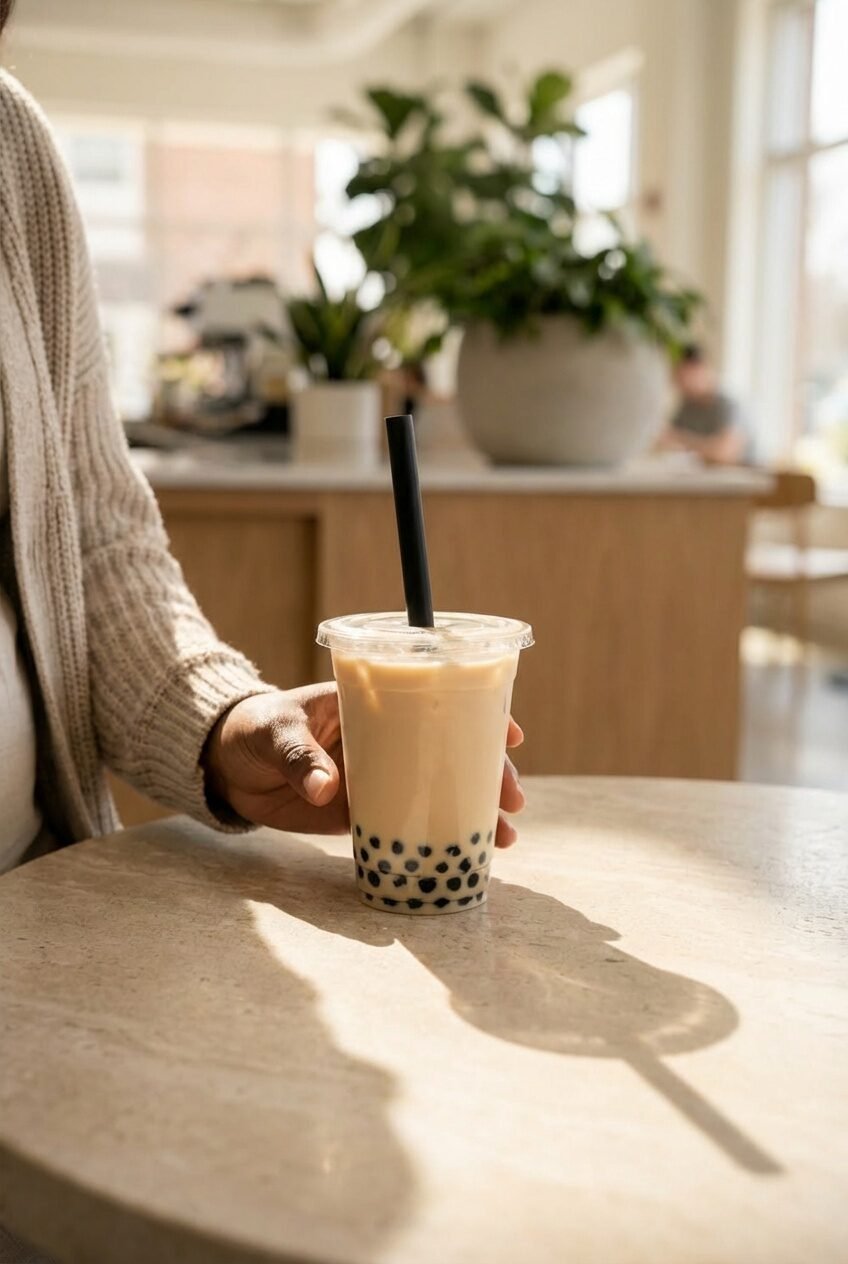
Not every bubble tea order is a problem. Not every bubble tea order is a great idea either. A small straightforward drink and a giant extra-topped specialty drink are not the same thing.
Sometimes that is the whole trick with bubble tea anyway. The drink itself is not always the issue. It is everything that goes into it.
How much caffeine is in bubble tea?
If your bubble tea is made with black tea, green tea, oolong, or matcha, it likely contains caffeine. ACOG says moderate caffeine consumption of less than 200 mg per day does not appear to be a major contributing factor in miscarriage or preterm birth, and its patient guidance also says it is a good idea to keep daily caffeine under 200 mg.
That daily total includes everything else too. Coffee in the morning still counts. So does soda, matcha, tea, and chocolate.
This is where bubble tea can get a little sneaky.
A smaller milk tea on a day when you have not had much else with caffeine may be completely reasonable. A large milk tea after coffee is a different story. Not forbidden. Just something to think through before you order.
If you want the easiest route, go smaller and simpler. That tends to make the caffeine question easier to manage.
Why Pasteurized Ingredients Matter
During pregnancy, pasteurized dairy and juice are the safer choice.
The next thing I would look at is what the drink is actually made with.
CDC guidance for pregnant women recommends choosing pasteurized milk and dairy products, and it notes that pregnant women are much more likely to get a Listeria infection than other people.
FDA guidance also says pregnant women should avoid unpasteurized juice, including some fresh-squeezed juice sold by the glass, because those products may not be pasteurized or otherwise treated to destroy harmful bacteria.
So if your bubble tea order includes milk, cream, yogurt, cheese foam, fruit juice, or puree, it is worth knowing what the shop uses.
That does not mean bubble tea shops are unsafe. Most chain shops are using standard commercial ingredients. But pregnancy is one of those times when “probably fine” does not always feel reassuring enough.
If you cannot tell what is in something, or the shop cannot answer clearly, I would skip the mystery drink and get something more basic.
The easiest bubble tea orders during pregnancy
The easiest bubble tea order during pregnancy is usually one that does not make you do mental gymnastics.
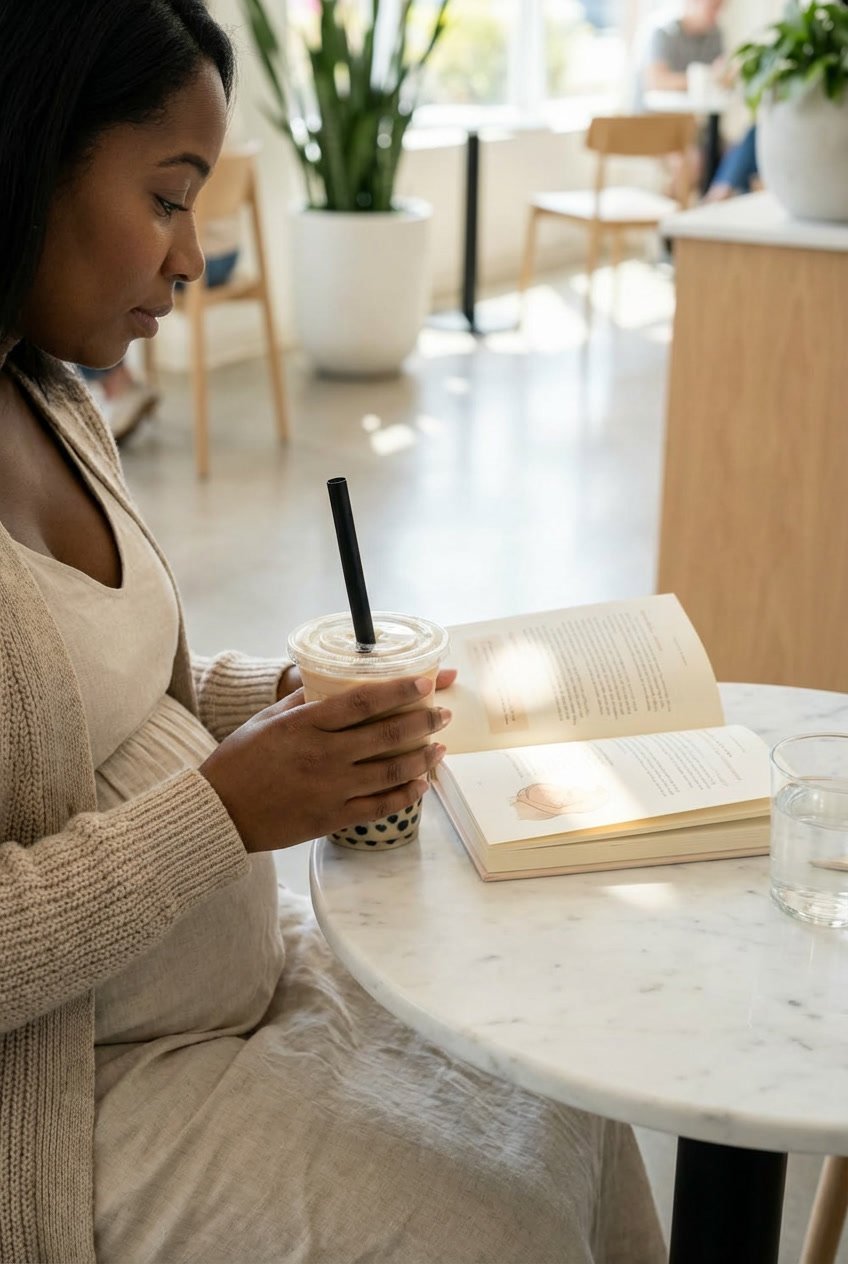
A small milk tea with light sweetness and no extra toppings is often easier to think through than a giant specialty drink. If the dairy is pasteurized and the caffeine fits your day, that is a pretty reasonable place to start.
If you want to keep the drink feeling lighter overall, my bubble tea sugar levels guide and bubble tea calorie calculator naturally fit if you want to keep the drink feeling lighter overall.
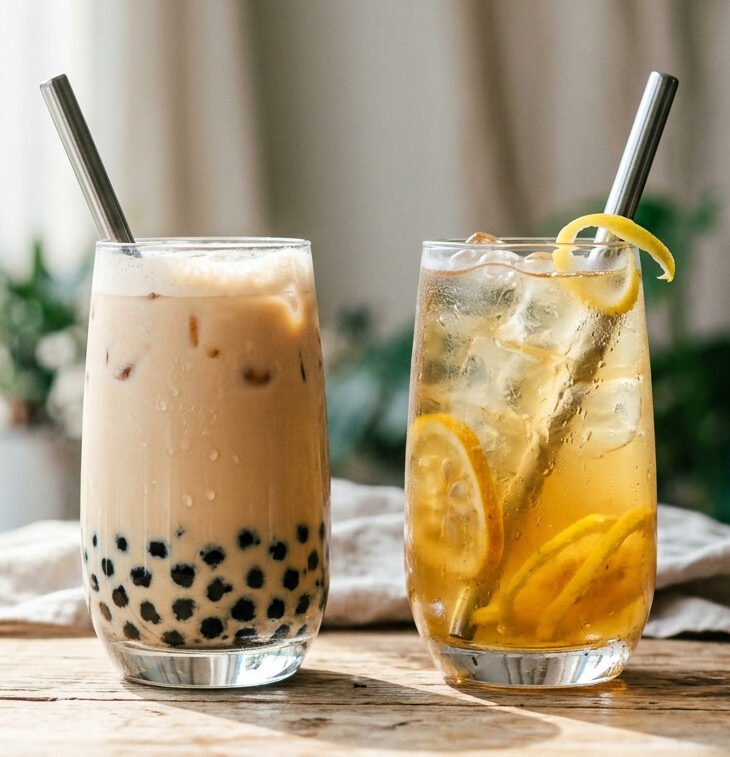
A fruit tea can also work, but I would be a little more careful with how it is made. If it is a standard tea-and-syrup build from a shop, that is one thing. If it relies on fresh-squeezed juice or unclear ingredients, that is where FDA guidance starts to matter more.
If the shop offers a decaf or clearly lower-caffeine option, even better. Sometimes the easiest pregnancy order is just the one that leaves fewer open questions.
And honestly, there are stages of pregnancy when that matters more than usual. Sometimes you are not even looking for the most exciting drink. You just want something cold, sweet, and normal for ten minutes.
What about boba pearls and toppings?
Tapioca pearls are usually more of a sugar and heaviness question than a classic pregnancy food-safety question.
The bigger issue is that once you add pearls, sweetener, extra syrups, pudding, or foam, the drink can get a lot richer and a lot harder to keep track of.
That part matters even more if your doctor or midwife has told you to pay attention to sugar intake or blood sugar.
This is where I would keep it practical.
You do not need to order the plainest drink on the menu. But pregnancy may not be the time to pile everything in just because it sounds fun on the menu. A simpler order is often the one that feels best afterward too. If you want to think through the extras, my bubble tea toppings guide can help too. And if pearls are the one topping you keep going back and forth on, my post on “How many calories are in boba pearls?” is useful if pearls are the one topping you keep going back and forth on.
What I would skip or double-check
If you cannot clearly tell what is in the drink, it is better to skip it.
I would double-check any drink made with fresh-squeezed juice unless you know it has been pasteurized or otherwise treated for safety. FDA guidance is pretty direct on that point.
I would also double-check dairy-heavy drinks if you are not sure what kind of milk, foam, or cream is being used, since CDC recommends pasteurized milk and dairy products during pregnancy.
And I would be careful with drinks that lean heavily herbal or wellness-coded if the ingredient list is vague. The NHS notes that caffeine levels in herbal teas can vary quite a lot and that some herbs may not be a good idea in pregnancy, especially in the first trimester.
That does not mean every floral or herbal drink is unsafe.
It just means pregnancy is not the ideal moment for ingredient roulette.
So can you drink bubble tea while pregnant?
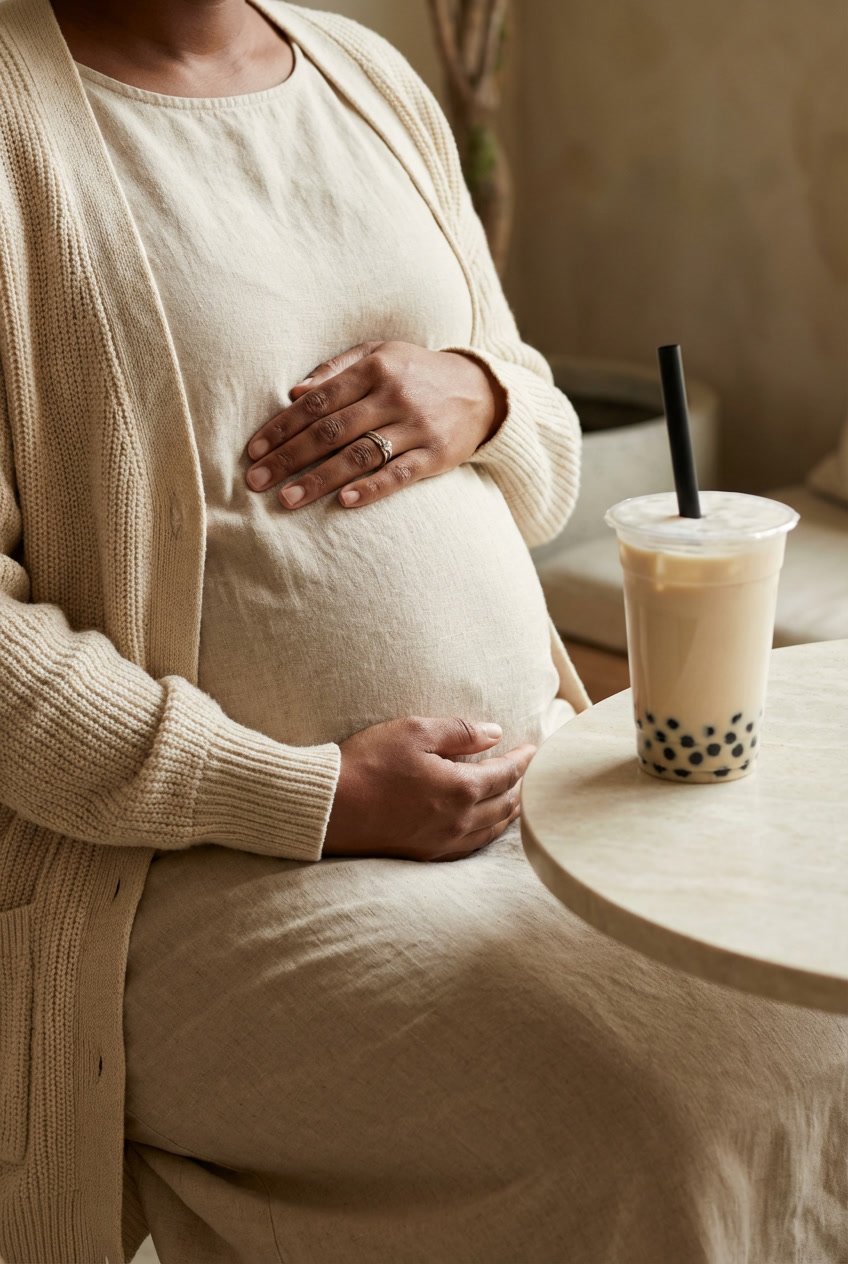
Usually, yes. But bubble tea during pregnancy is less about the category and more about the exact order.
If the drink fits within your daily caffeine limit, uses pasteurized ingredients, and does not include anything questionable or hard to identify, it may be completely reasonable as an occasional treat.
It is not really a yes or no drink. It is a check-the-details drink.
For a lot of people, the easiest approach is the boringly effective one. Go smaller. Keep it simple. Know what is in it. Move on with your day.
And if you are standing there pregnant, tired, and just wanting one thing that feels nice, that is probably enough to go on.
More Questions About Bubble Tea While Pregnant
Can you have bubble tea during pregnancy if it has caffeine?
Yes, but it still counts toward your total daily caffeine. ACOG advises keeping caffeine below 200 mg a day during pregnancy, so bubble tea needs to be counted along with coffee, soda, matcha, or anything else caffeinated you have had that day.
Is fruit bubble tea a safer choice than milk tea during pregnancy?
Not always. Fruit tea can be a concern if it contains unpasteurized juice, while milk tea is more about whether the dairy ingredients are pasteurized. The FDA’s guidance on juice and the CDC’s recommendations on dairy are the most useful places to look.
What should you be especially cautious about when enjoying bubble tea during pregnancy?
Check the tea base, the caffeine level, whether the milk or juice is pasteurized, and any add-ins that are hard to identify. FDA specifically advises asking about ingredients when you are unsure.
Can you drink bubble tea while pregnant in the first trimester?
Sometimes, yes. The same basic rules still apply, but people are often more cautious in the first trimester with caffeine and herbal ingredients. The NHS notes that some herbs may be potentially dangerous in pregnancy, especially during weeks 1 to 12.
Should you ask your doctor before drinking bubble tea while pregnant?
Yes, particularly if you’re navigating a high-risk pregnancy, managing gestational diabetes, have been advised to limit caffeine, or have reservations about a particular ingredient. A personalized answer is always better than guessing.

So yes, you can usually drink bubble tea while pregnant. It just helps to keep the order simple, know what is in it, and skip anything that feels unclear.