Bubble Tea Calories: What Adds Up in Your Drink
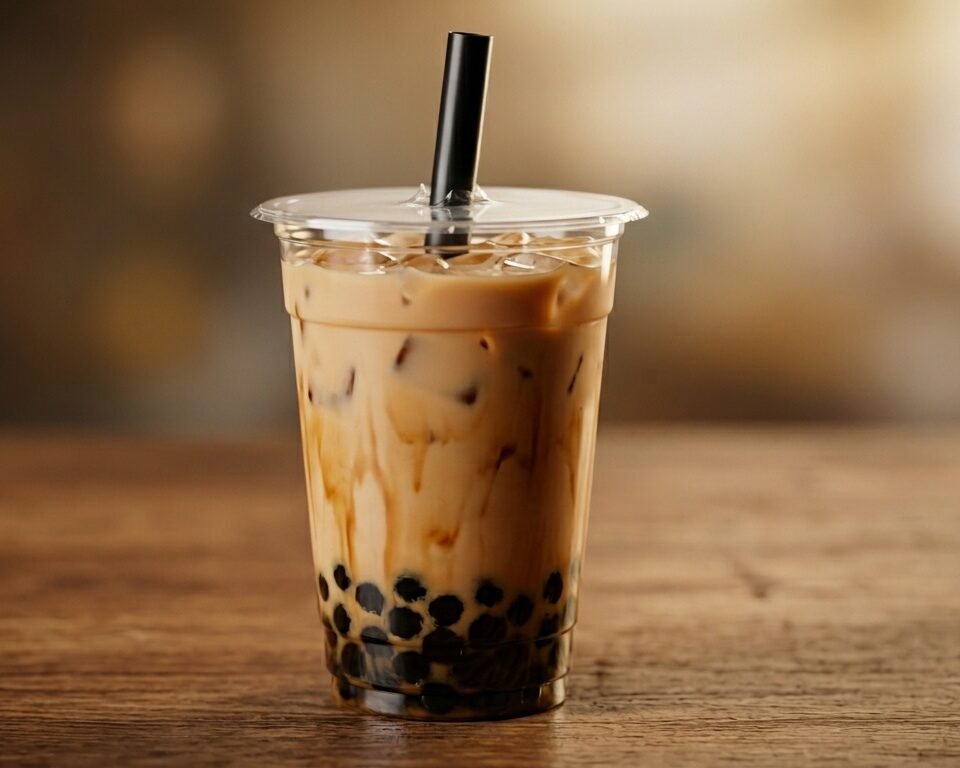
Bubble tea can get calorie-heavy fast. Not always, not automatically, but fast enough that it helps to know what is actually driving the numbers in your cup.
As a Brit, I grew up thinking of tea as something simple and almost suspiciously low-effort. Then I moved to New York, started ordering proper bubble tea and boba drinks, and realized these are a completely different category. More fun, obviously. Also more complicated. Once you add milk, syrups, and chewy tapioca pearls, guessing stops being useful.
That is exactly why I made my Bubble Tea Nutrition Calculator. Sometimes you just want to know whether your order is landing closer to 180 calories or 430, because those are not remotely the same kind of afternoon.
This guide breaks down where bubble tea calories usually come from, how boba calories change depending on the drink, and which swaps actually make a difference. We’ll also cover sugar levels, toppings, and why one milk tea can feel fairly light while another is basically dessert in a cup.
1. Where Bubble Tea Calories Come From
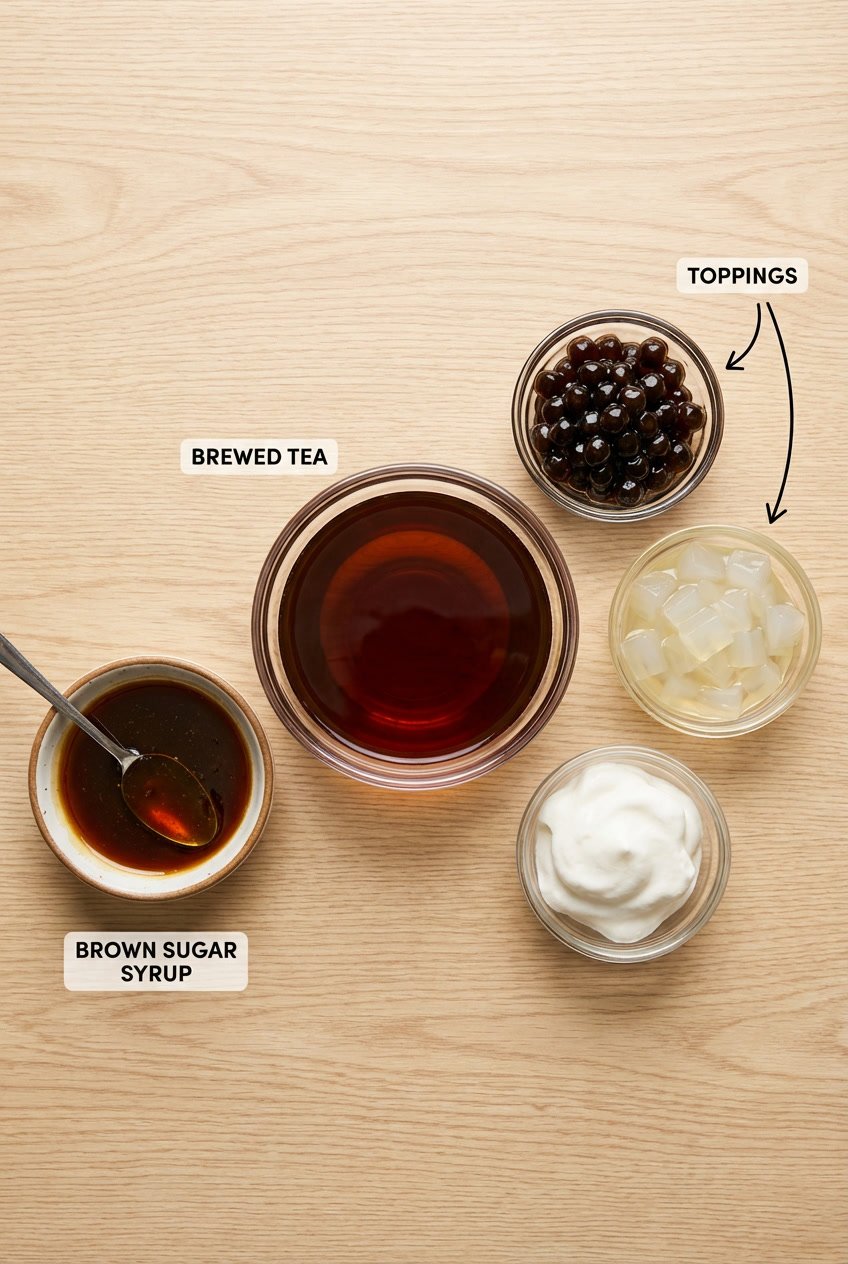
Most bubble tea calories come from three places, and once you see them clearly, the whole drink starts to make more sense.
The base
Plain brewed tea is very light. The numbers climb when you add milk, milk powder, non-dairy creamer, or a richer flavor base. A jasmine tea with a little sweetness is one thing. A creamy taro milk tea is something else entirely.
The sugar
This is usually the biggest calorie driver in bubble tea. Brown sugar syrup, fruit syrups, flavored powders, and standard shop sweetness levels can add more than most people expect. It is the part that quietly turns a lighter drink into more of a treat.
The toppings
Boba pearls are the obvious example, but they are not the only one. Pudding, cheese foam, crystal boba, aloe, and jellies all change the total. Some barely move it. Some absolutely do.
If you want the quick version, it is this: base, sugar, toppings. Control those three, and you control most of the drink.
2. Bubble Tea Calories at Popular Chains
This is the part that proves not all bubble tea orders are built the same. Two milk teas can look similar on the menu and still land very differently once you get into the sugar, base, and toppings.
Higher-calorie tier
- Tiger Sugar Brown Sugar Boba: about 430 calories
- Chatime Brown Sugar Pearl: about 420 calories
Mid-range
- Sharetea Taro Milk Tea: about 380 calories
- Gong Cha Milk Tea: about 370 calories
- CoCo Bubble Milk Tea: about 370 calories
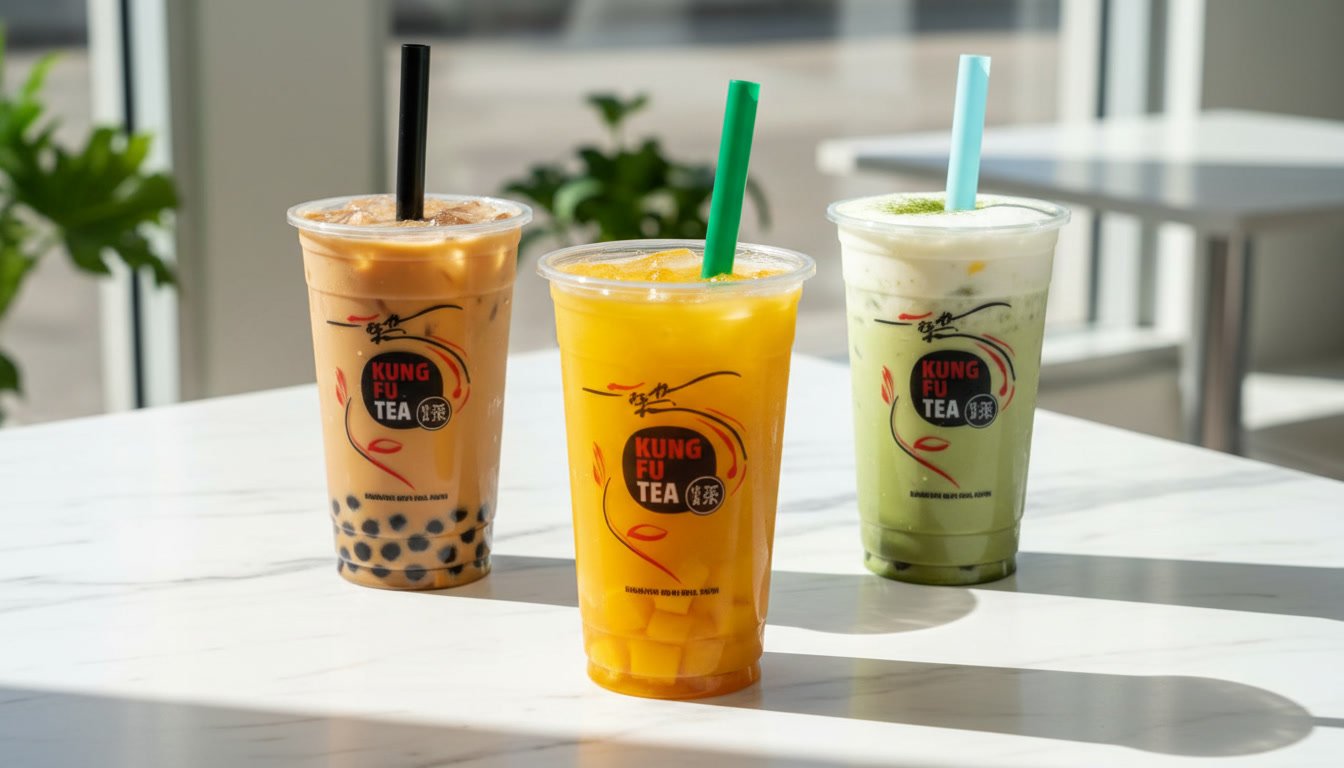
- Kung Fu Tea Oolong Milk Tea: about 360 calories
That does not mean you need to avoid richer boba drinks. It just means some orders start from a much heavier place than others. Brown sugar drinks, creamy milk teas, and anything with a rich topping usually do.
If you want to dig into individual chains, link out naturally here to your Tiger Sugar Calories Guide, Gong Cha Calories Guide, Kung Fu Tea Calories Guide, Sharetea Calories Guide, CoCo Fresh Calories Guide, and Chatime Calories Guide.
Average Calories: The Big 6 (Large, 100% Sugar)
3. Bubble Tea Calories by Sugar Level
If there is one simple change that makes the biggest difference, it is this one.
Lowering the sugar level is usually the fastest way to cut bubble tea calories without changing the entire drink. You still get the tea, the milk, the texture, and the shop order you actually wanted. You just lose some of the extra sweetness that stacks up quickly. Your original draft makes this same point, and honestly, it is still one of the most useful parts of the whole post.
Here is the rough calorie difference for a typical large milk tea:
- 100% sugar: no calories saved
- 50% sugar: save about 60 to 80 calories
- 30% sugar: save about 90 to 110 calories
- 0% sugar: save about 120 to 150 calories
For many bubble tea drinkers, 50% sugar is the easiest place to start. It still tastes like bubble tea. It just stops hitting you over the head with syrup.
And once your palate adjusts a bit, 30% often feels completely fine, especially in floral teas, fruit teas, and lighter milk teas where you actually want the tea to come through.
If you want a deeper breakdown of how sweetness levels work across shops, add a link here to your Bubble Tea Sugar Levels Guide. You can also mention your Sugar Swap Calculator here, because this is exactly where it makes sense.

Calories Saved by Sugar Level (Typical Large Milk Tea)
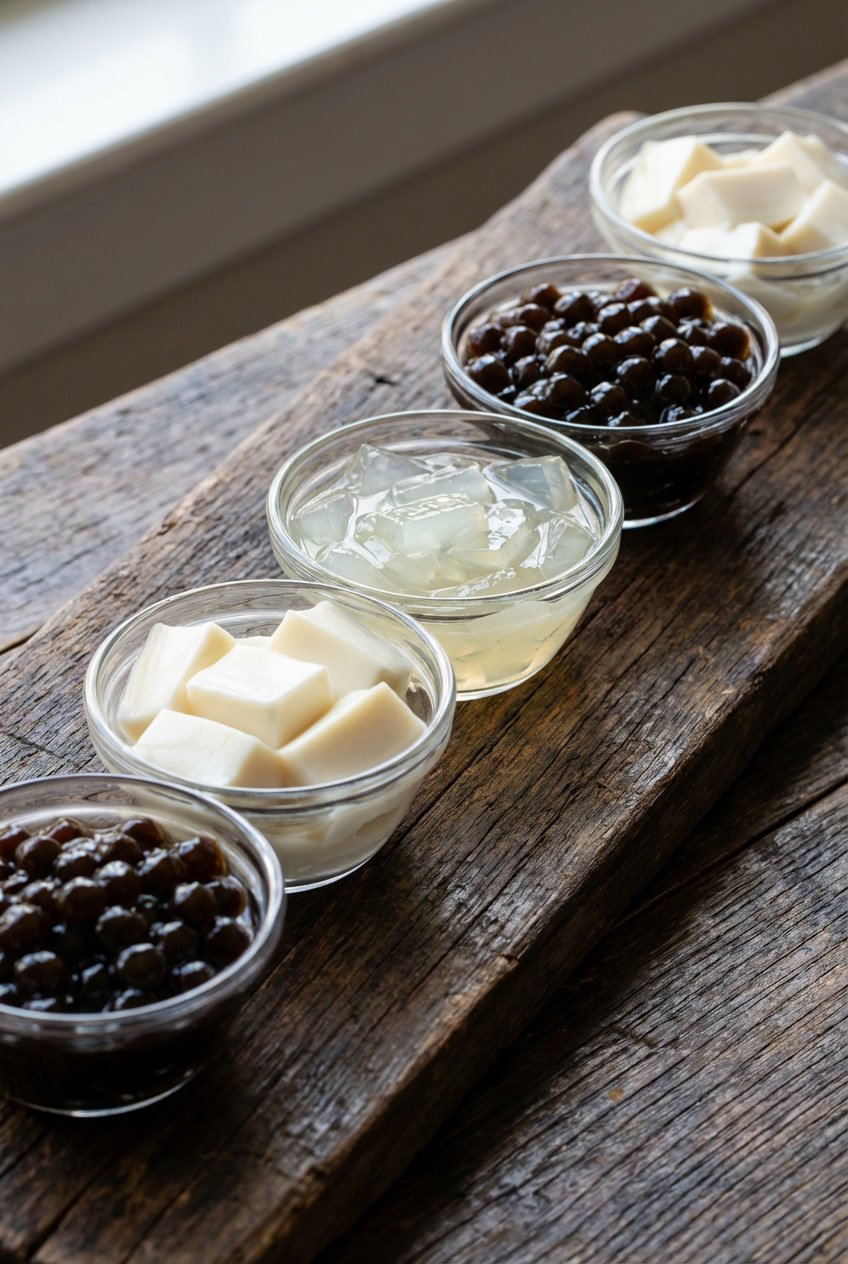
4. Bubble Tea Calories by Topping: Lightest to Heaviest
If sugar is the obvious calorie source in bubble tea, toppings are the part that quietly do the damage.
Classic boba pearls are the main example. They give the drink that chewy texture everyone wants, but they also add a noticeable amount to the total. Pudding and cheese foam can push things even further, especially if the drink already has a creamy base. That heavier-versus-lighter topping contrast is already built into your draft.
Heavier toppings
- Tapioca pearls
- Pudding
- Cheese foam
Lighter toppings
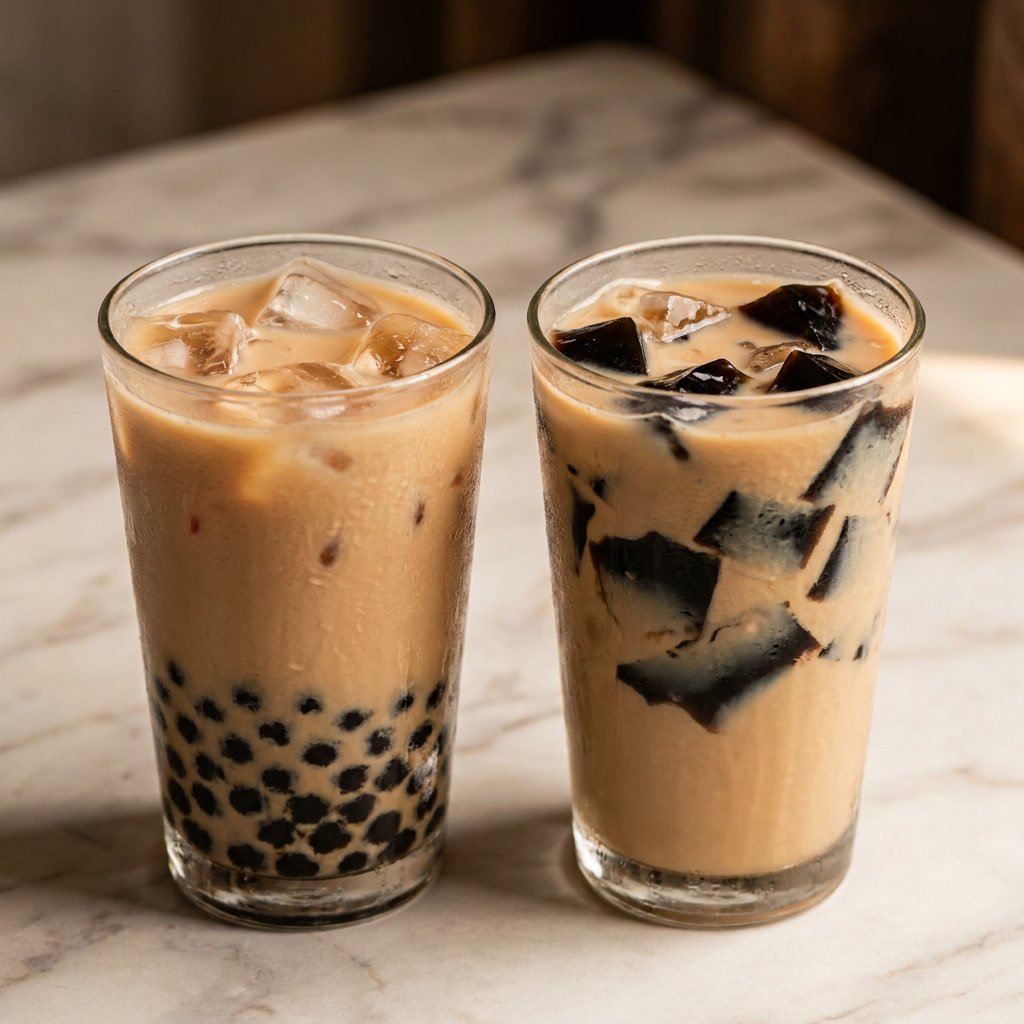
- Grass jelly
- Herbal jelly
- Aloe vera
- Crystal boba
If you love classic boba, keep the boba. Just maybe skip turning the same drink into a full toppings event. If the texture matters more than the pearls specifically, lighter add-ins like aloe or grass jelly can make a real difference without making the drink feel sad.
For a fuller breakdown, see my Bubble Tea Toppings Guide and Low-Calorie Boba Jellies Guide.
Toppings Cost: Lightest vs. Heaviest
5. Bubble Tea Nutrition Myths to Ignore
Bubble tea picks up strange nutrition myths very quickly, so let’s clear up a few that come up again and again.
Myth 1: Fruit tea is always lighter
Not necessarily. Some fruit teas are fairly light, but some are full of syrup and end up much sweeter than people expect. Just because the drink looks bright and clear does not mean it is automatically low in calories.
Myth 2: Tapioca pearls contain gelatin
They do not. Tapioca pearls are made from tapioca starch, which comes from cassava root. So if someone told you your boba contains gelatin, that one can go.
Myth 3: Non-dairy creamer is always the better option
Also no. In many cases, fresh milk or a simple plant milk like oat, soy, or almond is the cleaner choice. Non-dairy creamers can feel heavier than people expect, both in texture and in calories.
Want the fuller picture? I break it down properly in my Is Bubble Tea Healthy? post.
6. How to Build a Lower-Calorie Bubble Tea Order
You do not need to turn bubble tea into a punishment to make it lighter. A few small changes usually do enough.
Go down one size
A medium instead of a large can cut a surprising amount without changing the drink itself.
Lower the sugar
Start with 50%. Then go lower if you want. This is usually the easiest win.
Let the tea do some work
Tea-forward drinks usually feel lighter than orders built around powders, heavy creamers, and foam.
Be selective with toppings
If you want boba, have the boba. But maybe skip the pudding and cheese foam on the same order. You are ordering a drink, not building a small monument.
Choose your milk base carefully
Fresh milk, oat milk, soy milk, or almond milk are often lighter choices than heavy non-dairy creamer, depending on the shop and the drink.
My usual order is still pretty simple: a regular classic milk tea, 50% sugar, oat milk, and one scoop of boba. It still feels like a proper treat. It just does not get out of hand quite so fast.
If you want a broader look at how these ranges compare, read How Many Calories Are in Bubble Tea?
7. Why the BobaCal Calculator Gives You a More Personal Estimate
This is where generic averages start to fall apart.
Two bubble tea shops can sell the “same” drink and still land in very different places calorie-wise. One might use more syrup. One might use a heavier creamer. One might be much more generous with toppings. Bubble tea is just not standardized enough for one neat number to be useful every time.
That is exactly why I made the Bubble Tea Nutrition Calculator.
You can plug in your actual size, milk choice, sweetness level, and topping selection and get a much more personal estimate than a random average from somewhere online. If you are trying to track bubble tea calories more realistically, that matters.
8. Bubble Tea Calories FAQ
Is bubble tea healthy?
That depends on the drink. Bubble tea can absolutely fit into a normal diet, but some orders are much lighter than others. Sugar level, milk choice, and toppings matter more than the label on the cup.
How many calories are in bubble tea?
A standard 16-ounce milk tea with tapioca pearls usually lands somewhere around 250 to 400 calories, depending on the sugar level, toppings, and size. Richer drinks can go higher, and lighter fruit teas can go lower.
What’s the lowest calorie order for bubble tea?
Usually a smaller size, a 0% to 30% sugar level, a tea-forward base, and a lighter topping like aloe or grass jelly. If you build it carefully, you can get much lower than most people expect from boba.
Are tapioca pearls high in sugar?
They are mainly starch, but they are often sweetened or stored in syrup, which is why they can add more than people expect. So not exactly pure sugar, but definitely not nothing.
What’s the healthiest milk option in bubble tea?
Fresh milk or plant-based options like oat, almond, or soy are often better choices than heavy non-dairy creamer, though it depends on the shop and the drink.
9. Enjoy Bubble Tea Without Overthinking the Calories
Bubble tea does not need to become a math problem every time you want one.
Most of the time, it comes down to knowing what is in the cup. A creamy base, full sugar, and heavy toppings will push bubble tea calories up quickly. A tea-forward drink with less sugar and a lighter topping lands very differently.
So no, you do not need to stop ordering bubble tea. Once you know where the calories are coming from, it gets much easier to order what you actually want without overthinking it.
That is the better way to do boba, honestly. Still fun, just less guesswork.