Is Bubble Tea Healthy? Learning About the Nutrition Information
Let’s just rip the band-aid off immediately, shall we?
If you found this page because you’re currently staring at an empty boba cup, feeling a mild wave of sugar-induced guilt and wondering if you’ve just undone your entire week of healthy eating… I see you. I’ve been there.
Living in NYC, I am constantly surrounded by the pressure to consume nothing but green juice and ancient grains. And yet, I will fiercely defend my right to a delicious, chewy milk tea.
So, is bubble tea healthy? The honest answer – from your savvy friend who refuses to sugarcoat things (pun intended) – is a complicated ‘No… but that’s totally okay.’
Here is the truth about what’s in your cup, and why understanding it is the key to enjoying it without the guilt.”
Why is bubble tea important to discuss
Bubble tea is fun, customizable, and social. You can choose a tea base, sweetness, creamers and/or milk, and of course toppings. This is generally where a lot of the health-related questions arise.
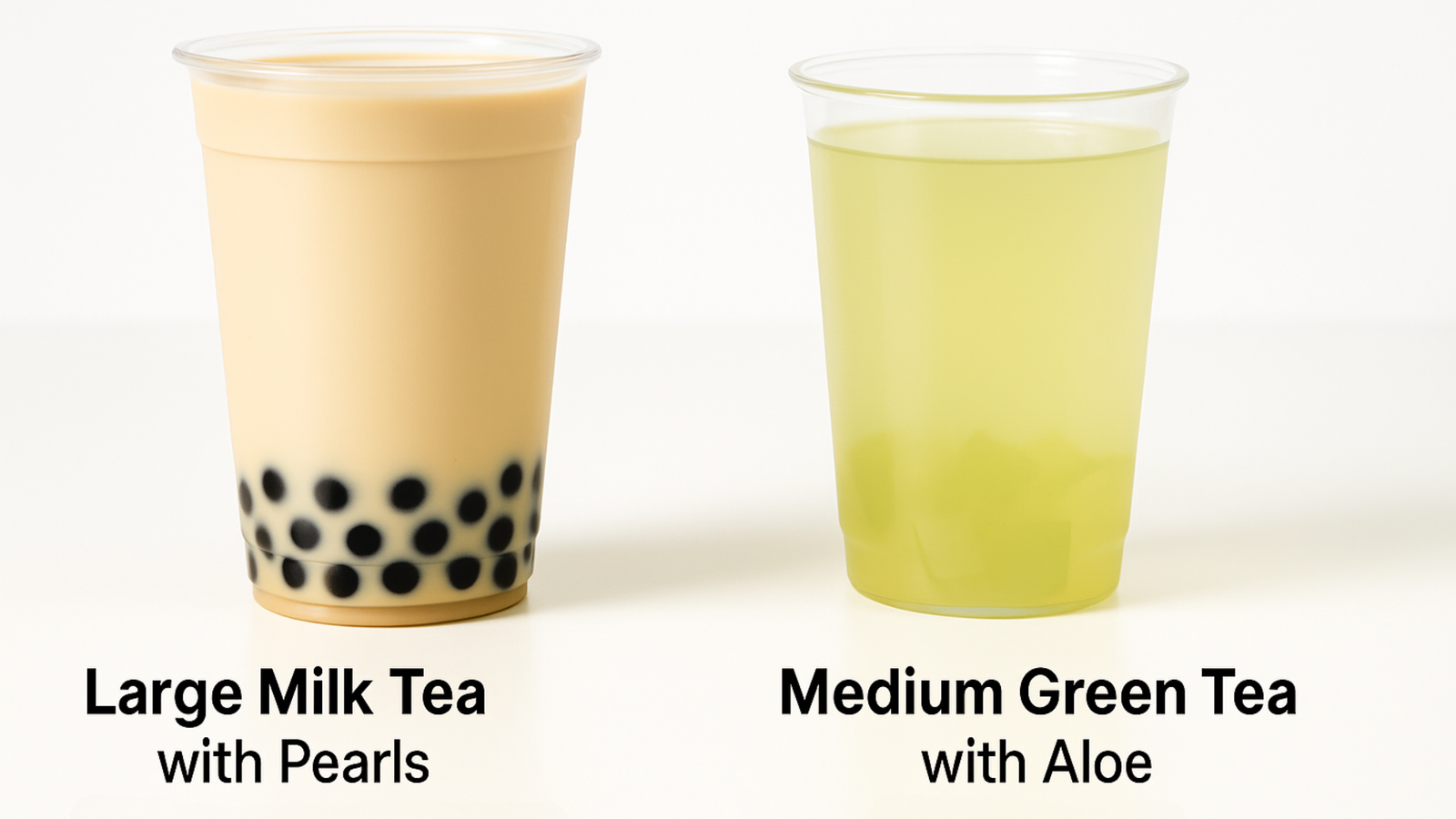
For example, a large milk tea with pearls could have as many calories and sugar as a milkshake or soda. Whereas, a smaller beverage with less sugar and lighter toppings could be no more indulgent than a flavored latte.
So, where is the sweet spot? Let’s summarize.
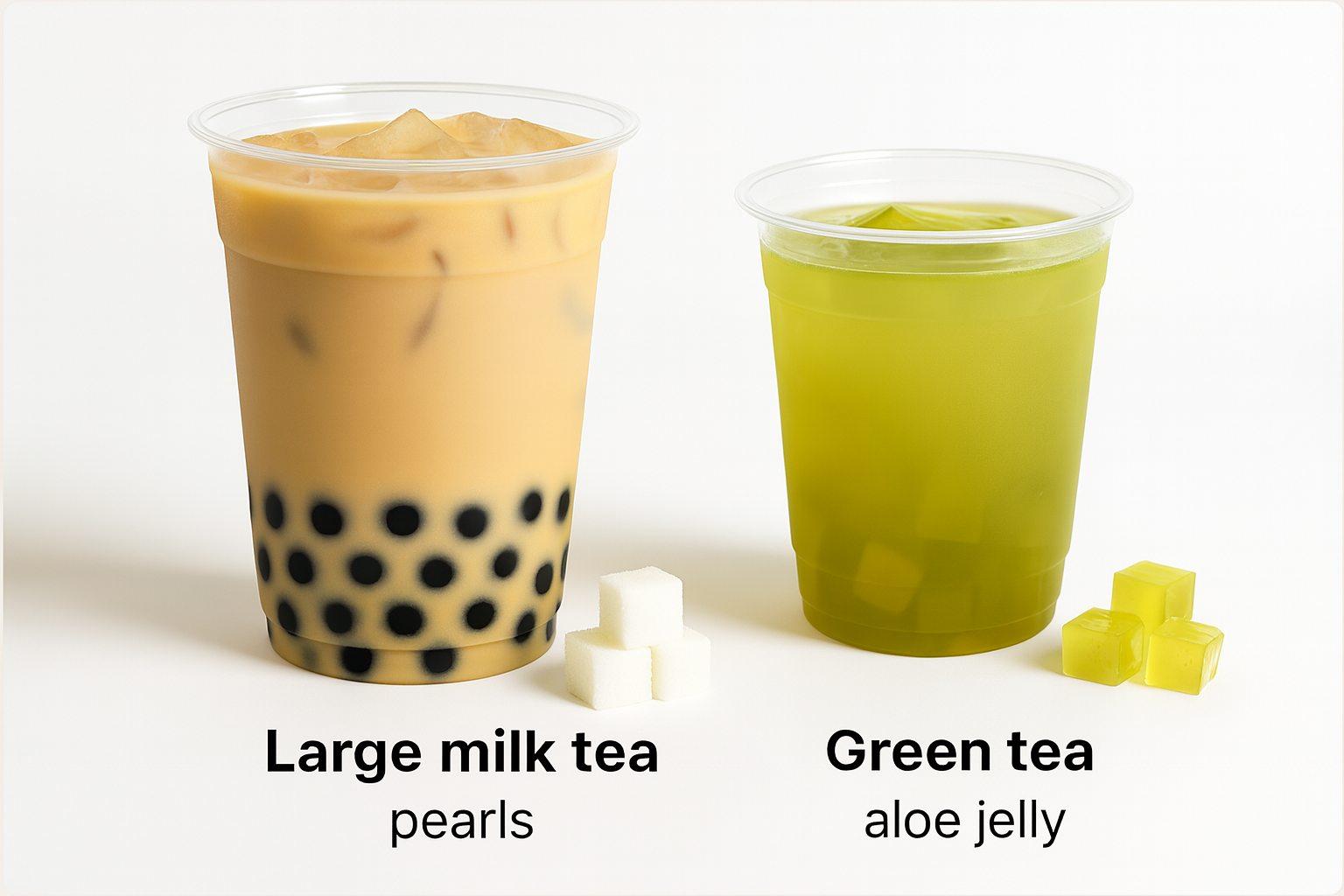
High-Calorie Bubble Tea vs Low-Calorie Bubble Tea
Same café, different choices. See how size, sugar, and toppings change your drink.
| Large milk tea (full sugar) + pearls | Medium green tea (30% sugar) + aloe |
|---|---|
| Calories: 400–500+ | Calories: ∼180 |
| Sugar: up to ∼15 tsp | Sugar: less than half |
| Toppings: tapioca pearls higher-cal topping | Toppings: aloe jelly lighter option |
The Major Components
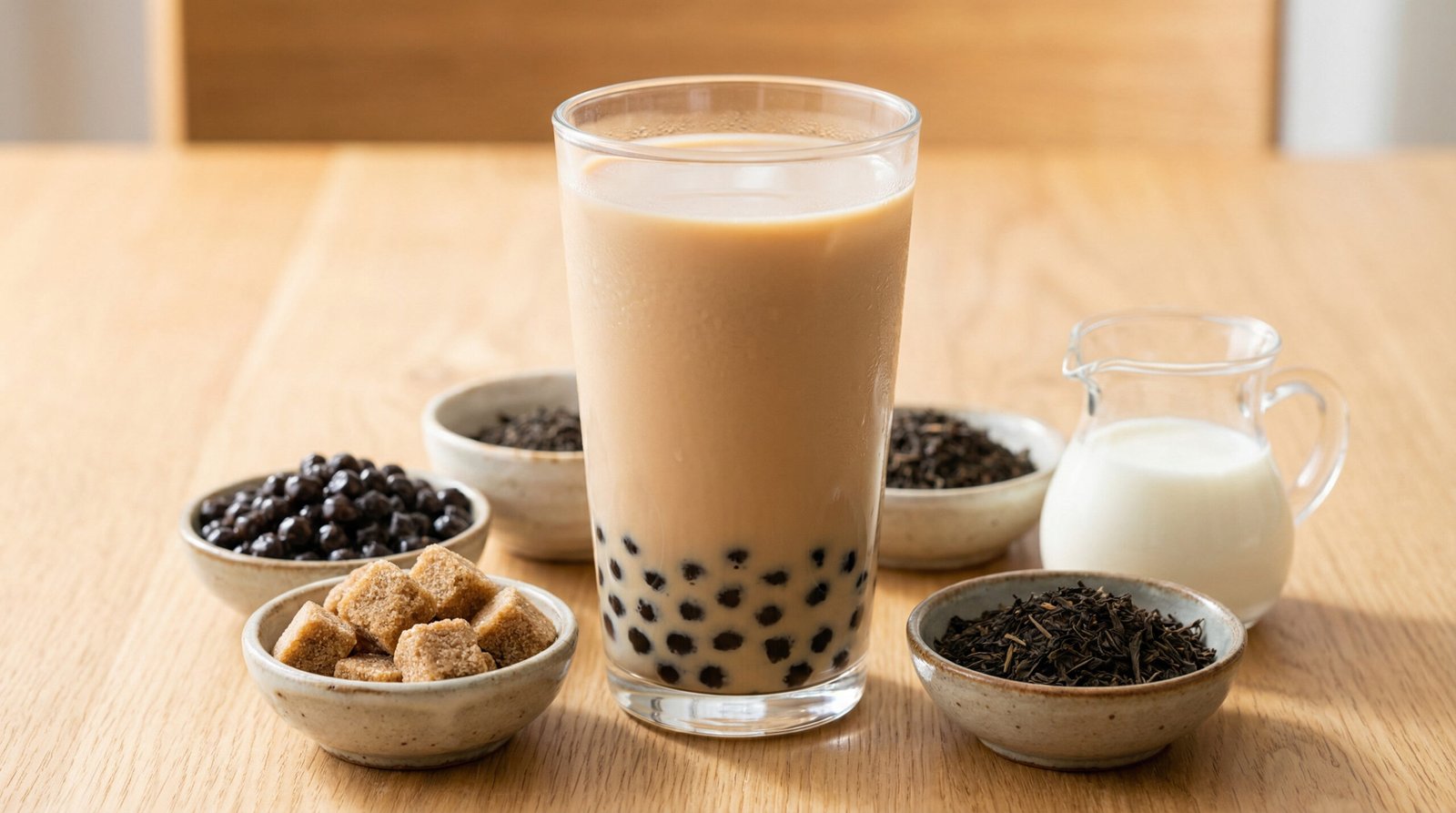
There are some main parts to bubble tea: tea, milk/creamer, sugar, and toppings. Each part will impact the nutritional profile.
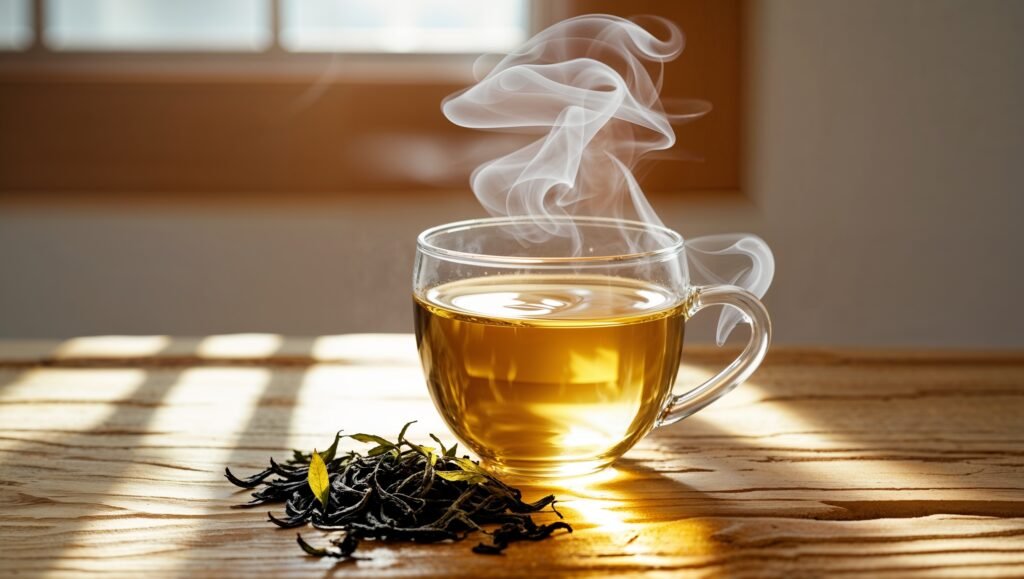
The Tea
Usually black (or green, or oolong).
Straight up, almost no calories, plus antioxidants and other health benefits.
The healthiest part of the drink.
The Milk/Creamer
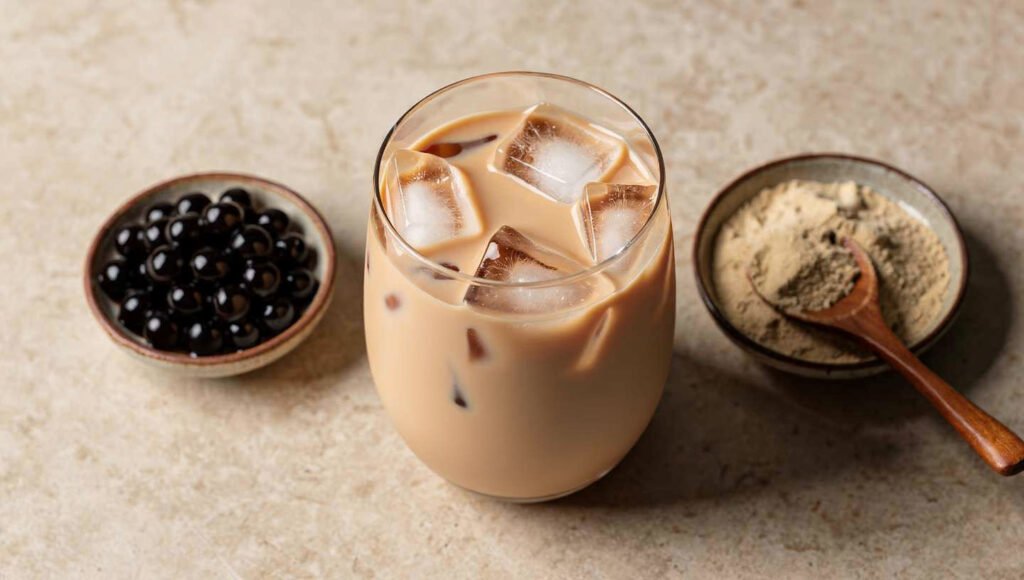
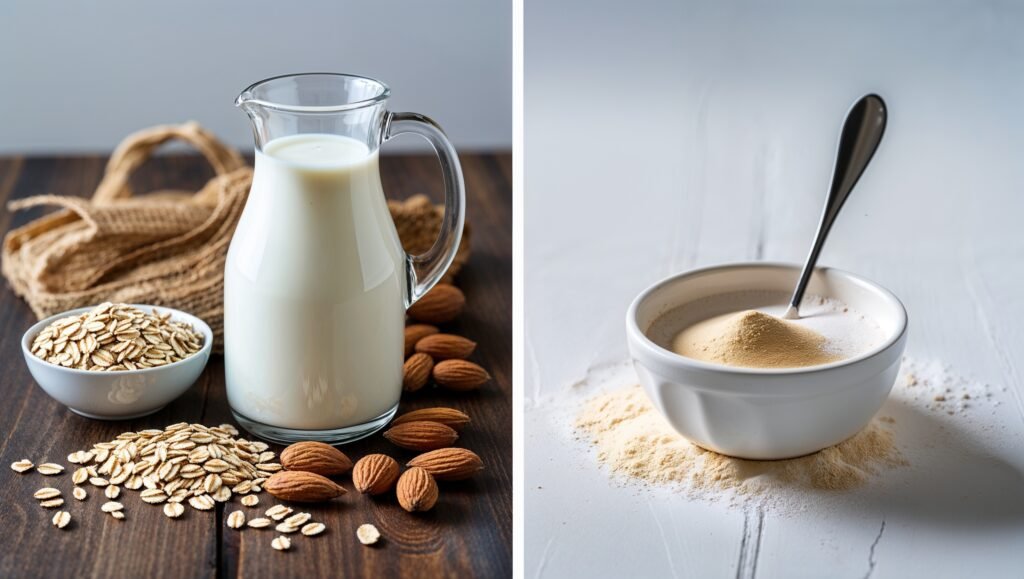
Fresh milk (dairy, oat, almond, soy) = protein, fat, flavor.
Powdered creamers = likely added sugar and hydrogenated oils.
This is, kind of, about where “milk tea” turns into a “milkshake.”
The Sugar Syrup
A traditional bubble tea will be sweetened with sugar syrup, honey, or sugar powders.
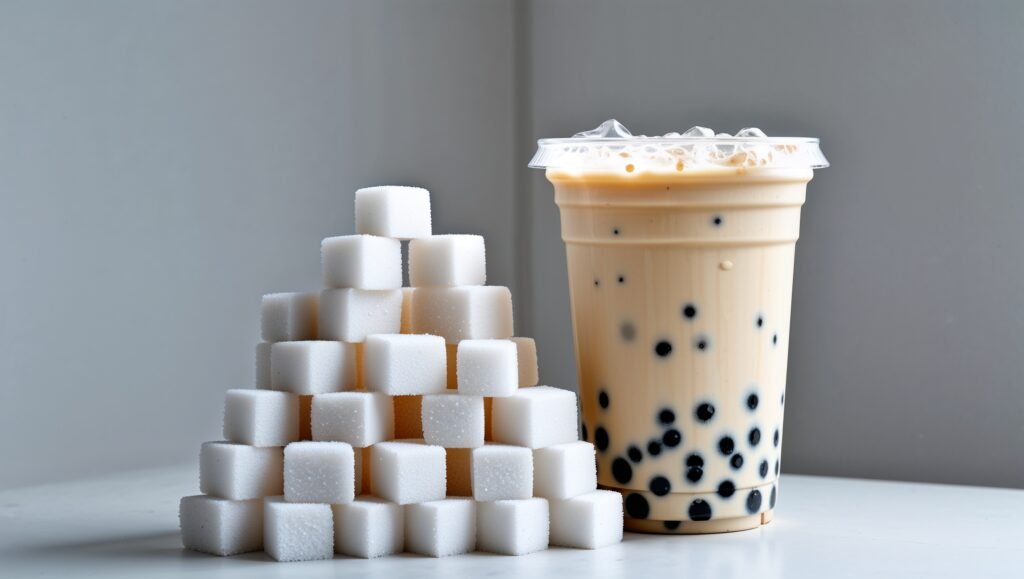
One large order at full sugar could contain over 50 g of sugar, which is more than the American Heart Association recommends—over a whole day.
Most dispensaries allow you to control: 100%, 75%, 50%, 30%, or even 0%.
One large order at full sugar could contain over 50 g of sugar, which is more than the daily recommended limit for added sugar.
Choosing the right kind of sugar is often the key to making bubble tea healthier. You can use the Sugar Swap Calculator to compare swaps and pick the one that works best for you.
The Toppings
Toppings are where calories can sneak in, and where customizations come in as limitless.
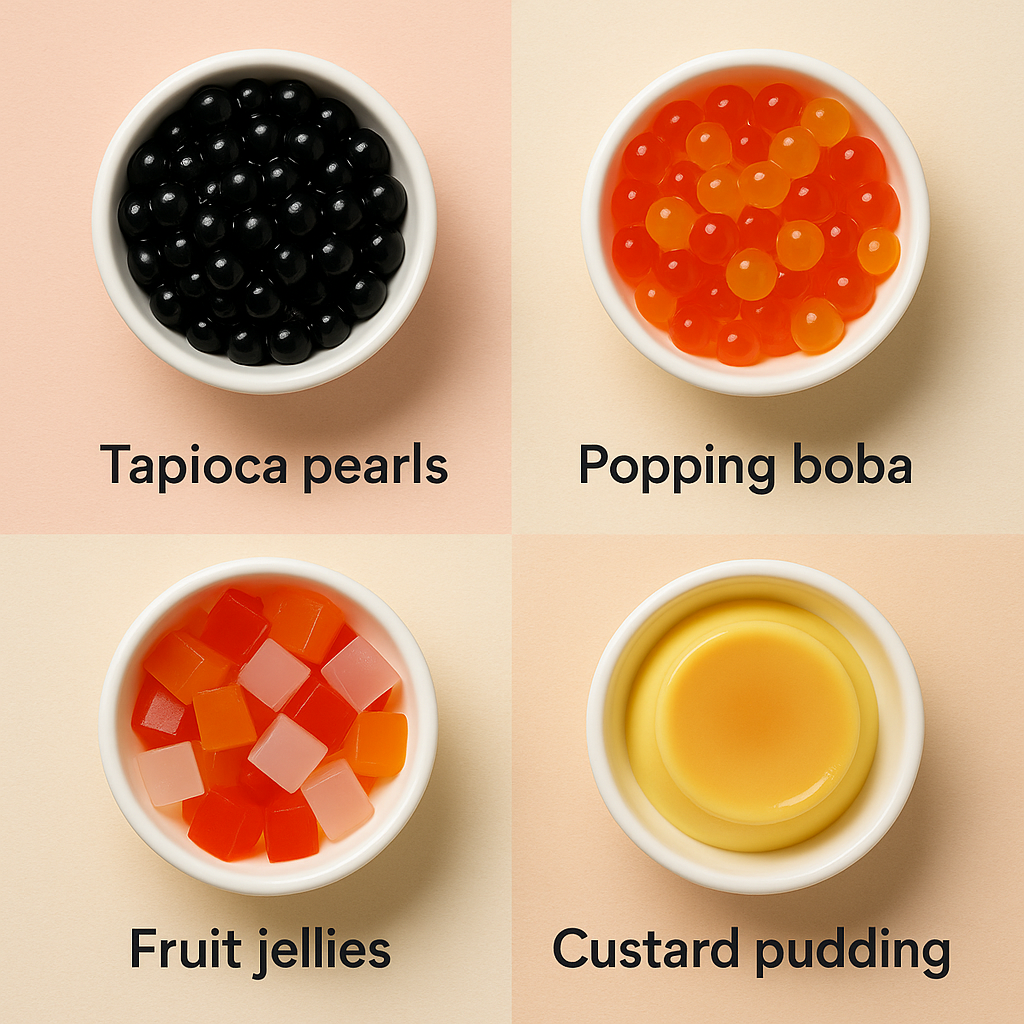
Tapioca pearls = ~150 calories per normal serving; mostly carbs.
Popping boba = 30-40 calories per spoonful; usually high in sugar.
Jellies & puddings will vary; generally lighter than pearls.
No toppings = cuts calories, also cuts fun factor.
“What’s Healthy” is Relative To Your Order
![An infographic flowchart titled "Is bubble tea healthy?". It answers that "It depends on your order" and branches into two paths. A green path shows that smaller, lower-sugar drinks with lighter toppings "can fit into a balanced lifestyle," while a red path shows that large, full-sugar drinks with rich toppings should be "treat[ed] like a dessert](https://thebobaclub.com/wp-content/uploads/2025/08/is-bubble-tea-healthy-flowchart-infographic.jpg)
Maybe the biggest misconception is bubble tea is either “healthy” or “unhealthy” everywhere. It is relative to size, sugar, and toppings.
For example, a large milk tea (full sugar) with pearls could easily exceed 400–500 calories, and a possible 15 teaspoons of sugar.
Conversely, a medium green tea (30% sugar) and aloe jelly could be closer to 180 calories and less than half the sugar.
The ingredients don’t change – just your choices. This is why two people can go to the same bubble tea shop, and one grabs a sugar bomb while the other has a lighter treat.
What Experts Say About Health
Because we didn’t want to rely solely on our taste buds, we sourced recommendations from nutritionists and health organizations.
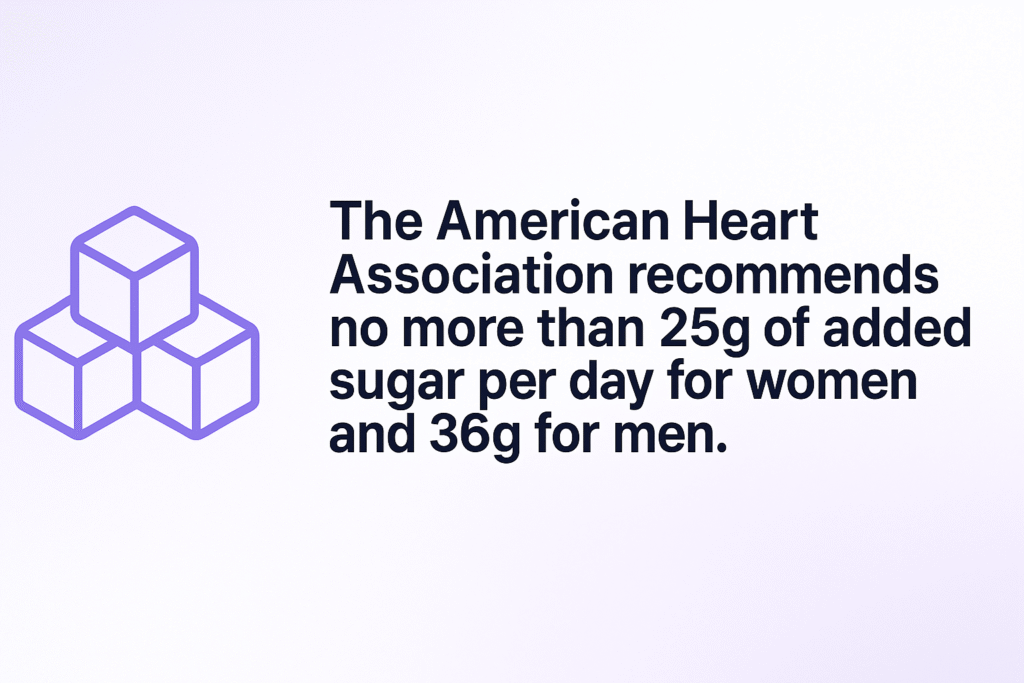
The American Heart Association recommends no more than 25g of added sugar per day for women and not more than 36g for men. Many bubble teas contain far more than this in a single cup.
Dietitians generally suggest treating bubble tea like dessert, enjoy it but in moderation, while considering the portion and sugar content.
The tea (especially green or oolong) may offer health benefits on its own, but those are hampered if the drink is combined with creamers and syrups.
In summary, bubble tea is no worse than cake, ice cream or soda; but it is also not a “health drink”.
Smarter Swaps for Bubble Tea Lovers
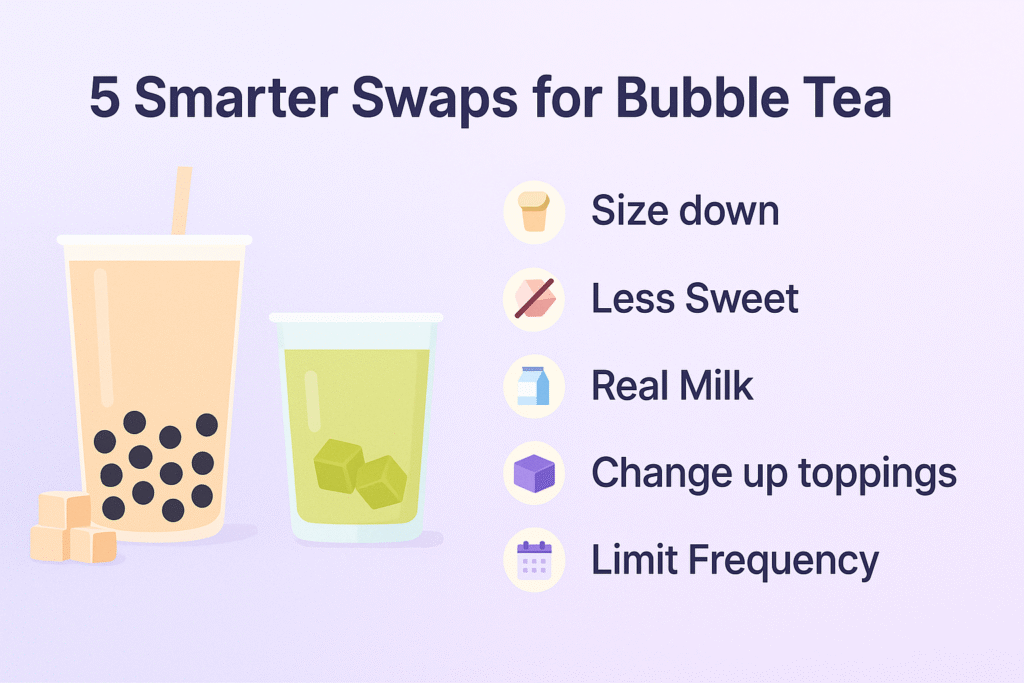
If you want to sip on boba without a sugar crash, here are some simple swaps:
- Size down: Choose medium instead of large.
- Less Sweet: Ask for 30–50%, instead of full sugar.
- Real Milk: Choose dairy or oat milk instead of powdered creamer.
- Change up toppings: Grass jelly, aloe or pudding instead of full pearls.
- Limit Frequency: Treat it like dessert, not an everyday drink.
What we love about bubble tea is it is completely customizable—you do not have to quit bubble tea, just switch it up a little.
These easy swaps make it easier to enjoy your favorite drink without worrying every time someone asks, “Is bubble tea healthy?”
These easy swaps make it easier to enjoy your favorite drink without worrying every time someone asks, is bubble tea healthy?”
Frequently Asked Questions
Is bubble tea healthy?
Let’s be real: it’s usually a treat, not a health food. But there’s a massive difference depending on what you order. A small, low-sugar fruit tea is very different from a large, full-sugar milk tea with extra toppings. Treat the indulgent ones like you would a slice of cake -enjoy it occasionally, not daily
How many calories are in bubble tea?
It varies wildly, which is why generic charts are useless. A plain tea could be 100 calories, while a fully loaded large milk tea can easily top 600+. Don’t guess – use my BobaCal Nutrition Calculator to get a precise number for your specific order.”
What is the healthiest order for bubble tea?
Stick to the basics. My go-to lighter order is a Jasmine Green or Oolong Milk Tea (using fresh dairy or oat milk, not powder), 30% sugar, and either no toppings or something lighter like grass jelly or aloe.”
Is bubble tea bad for losing weight?
No single food ’causes’ weight gain; it’s about your overall diet. That said, liquid calories from sugar add up incredibly fast without making you feel full. You absolutely can enjoy it while losing weight, but you need to sip smarter – lower the sugar, shrink the size, and treat it as an occasional indulgence, not a daily habit.
The Summary
So, is bubble tea healthy? Bubble tea as a drink is neither “healthy” nor “unhealthy”; it really is a customizable drink, from something light and refreshing to something decadent and resembling dessert.
The takeaway is understanding what you’re consuming. Once you know what goes into your cup, you can feel good about enjoying bubble tea.
Now I don’t try for a perfect drink. I just want a bubble tea that feels right for my day. Some days I keep the sugar down and skip the extra toppings; other days I enjoy the full treat and own it, because knowing the nutrition info helps me choose on purpose.
And that is exactly why I built The Boba Club Nutrition Calculator. You no longer have to guess! Just enter your order, see calories, sugar, and macros, and find smarter swaps that will still taste incredible.
👉 Try it now at BobaClub.com and sip smarter every time.