Bubble Tea Sugar Levels: What to Order and Avoid

That first time I checked the sugar in bubble tea at a shop in the East Village, it seemed like a tiny change. I didn’t think it was anything serious. Half-sweet felt mild, while no sugar came off as harsh, almost cruel. That shift in digits surprised me more than expected. When I first cut my standard sugar level in half inside BobaCal, the result brought an odd kind of joy.
It still tasted like my usual drink, just without the immediate sugar crash. The stats finally lined up with what I’d imagined all along. Most times, picking a lower sugar option just cuts the syrup mixed into your tea base.
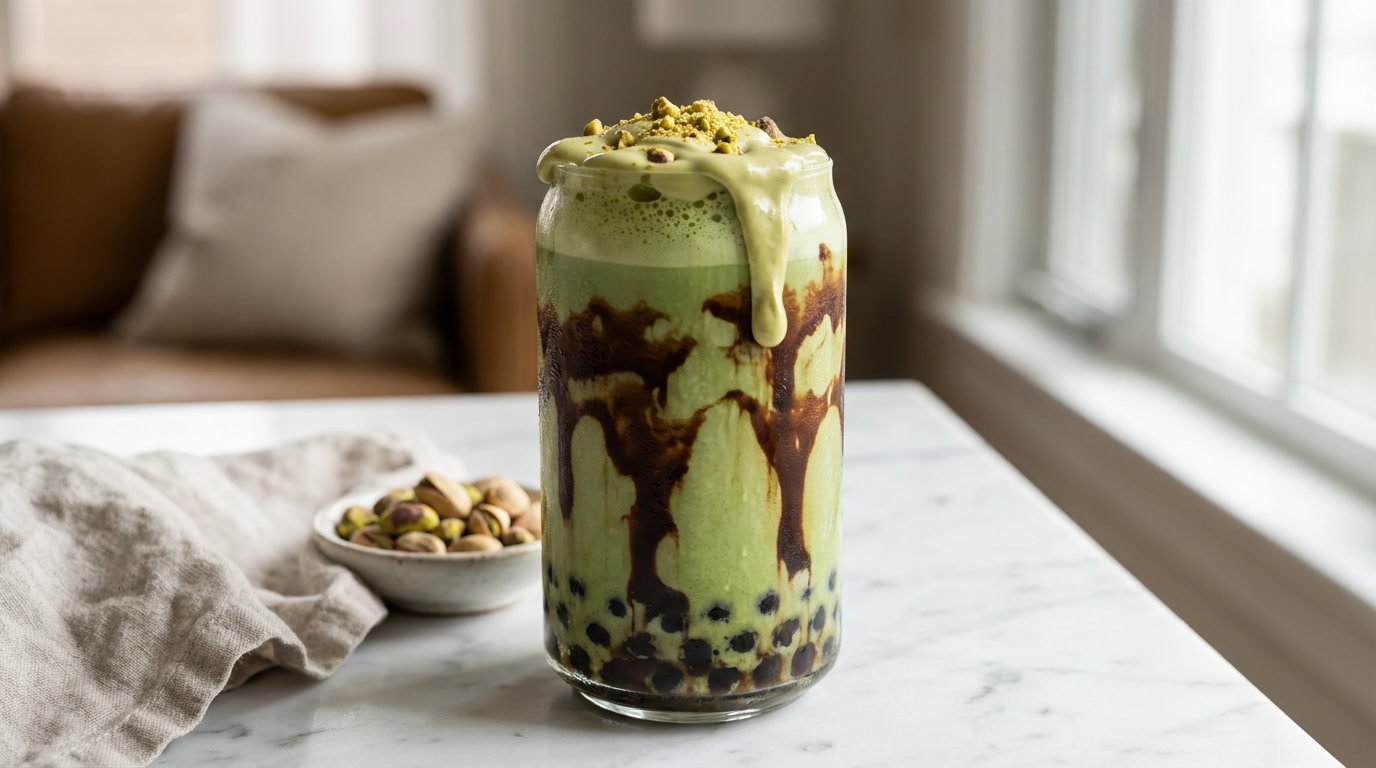
However, things such as chewy balls, flavored jelly cubes, fizzy bursts, creamy foam topping, or sticky molasses swirl go on top. Each of those brings its own sweetness along. Even if the drink base is light, those extras pile on hidden calories and sugar.
This guide to bubble tea sugar levels explains exactly what each setting stands for and the shifts in flavor that come with them. I’ll also share ways to go lighter while keeping things enjoyable. You can even try comparing different options at once using the Sugar Swap Calculator included here.
Quick Take
For most people, 30% or 50% sugar is the sweet spot. It usually cuts a noticeable amount of sugar and calories, but the drink still tastes like bubble tea.
0% sugar does not mean sugar-free if you are adding pearls, popping boba, milk cap, or brown sugar drizzle. That percentage only applies to the base drink.
If you want an easier lighter order, keep the size smaller and go for simpler toppings like grass jelly, herbal jelly, or crystal boba.
What Bubble Tea Sugar Levels Actually Control
Bubble tea sugar levels only control the sweetener added to the base drink. That part trips people up all the time.
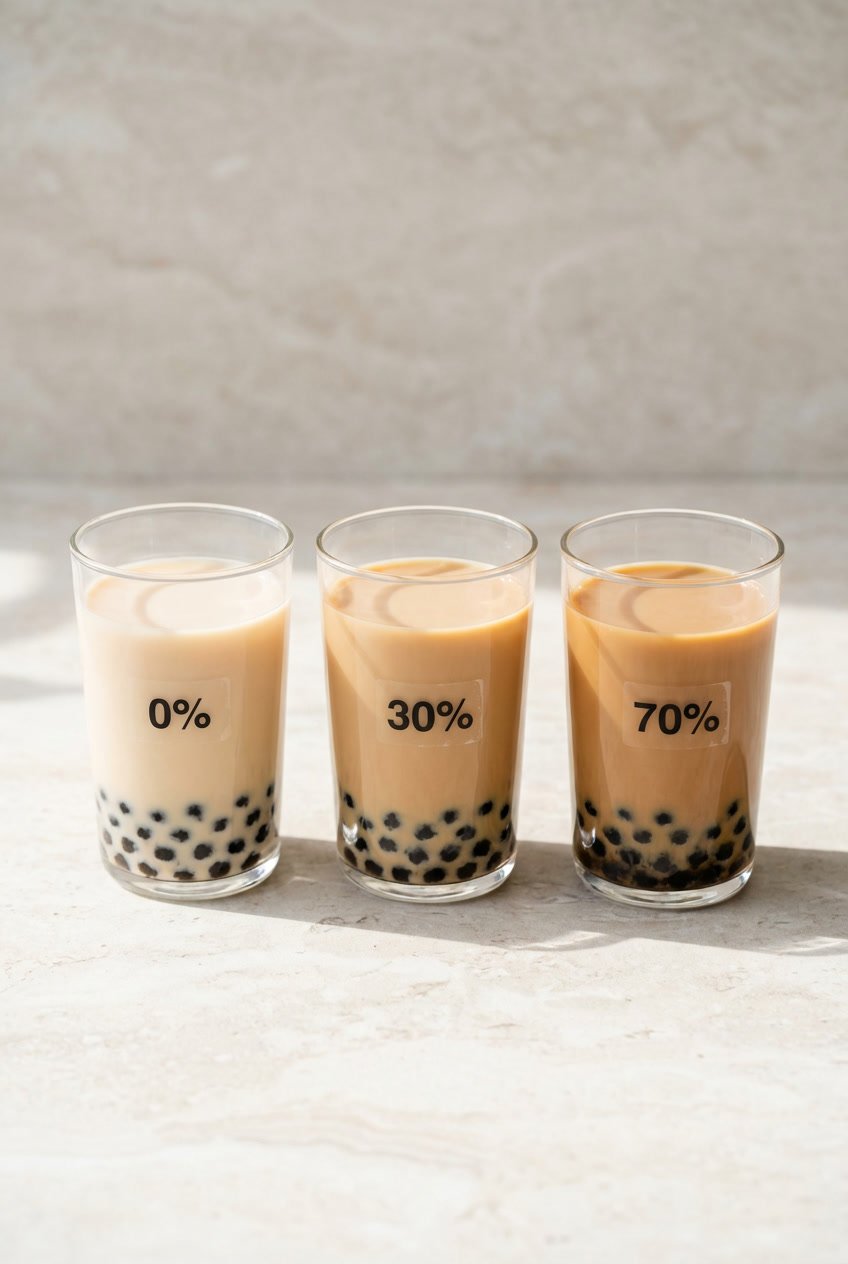
So when you choose 0%, 30%, 50%, 70%, or 100% sugar, you are usually only adjusting how sweet the tea or milk tea base will be. You are not automatically changing everything else in the cup.
That means toppings and extras can still add plenty of sugar on their own, including:
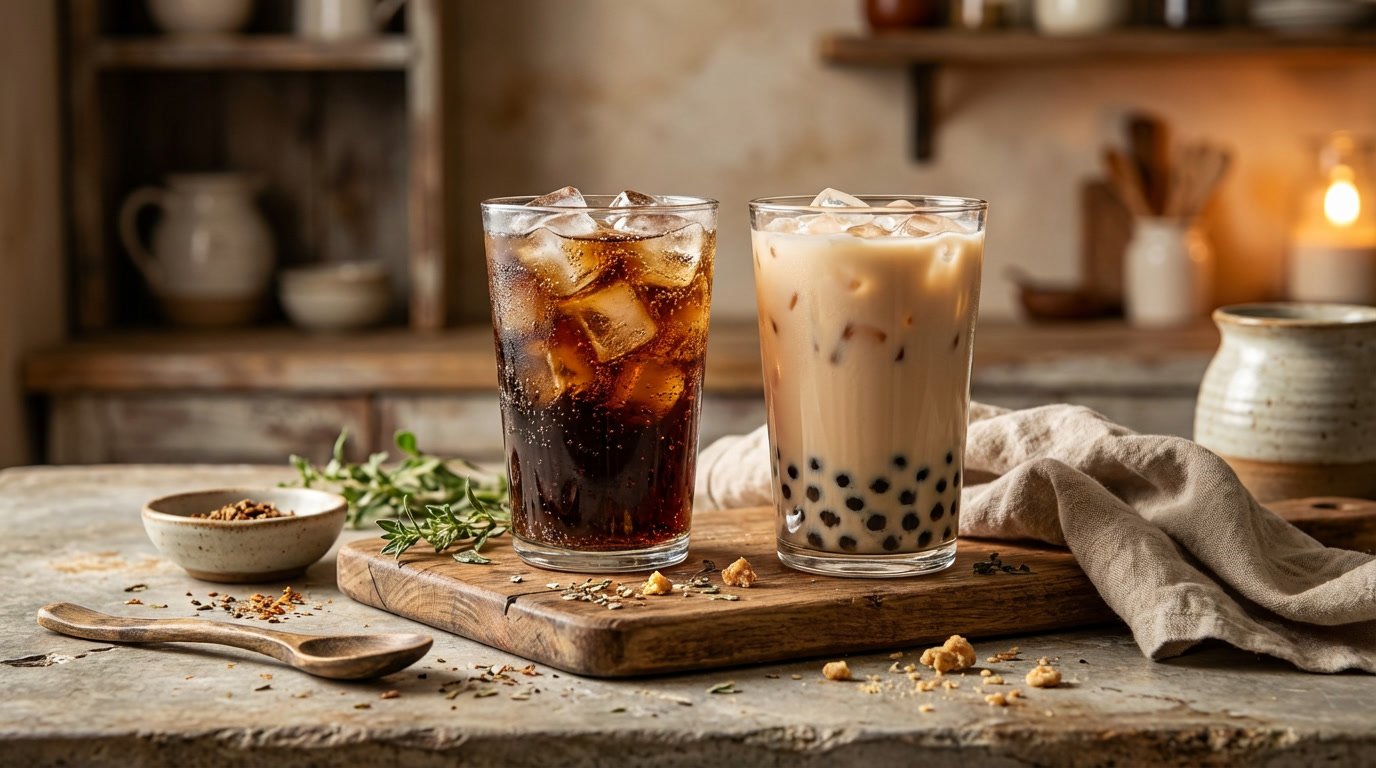
- tapioca pearls
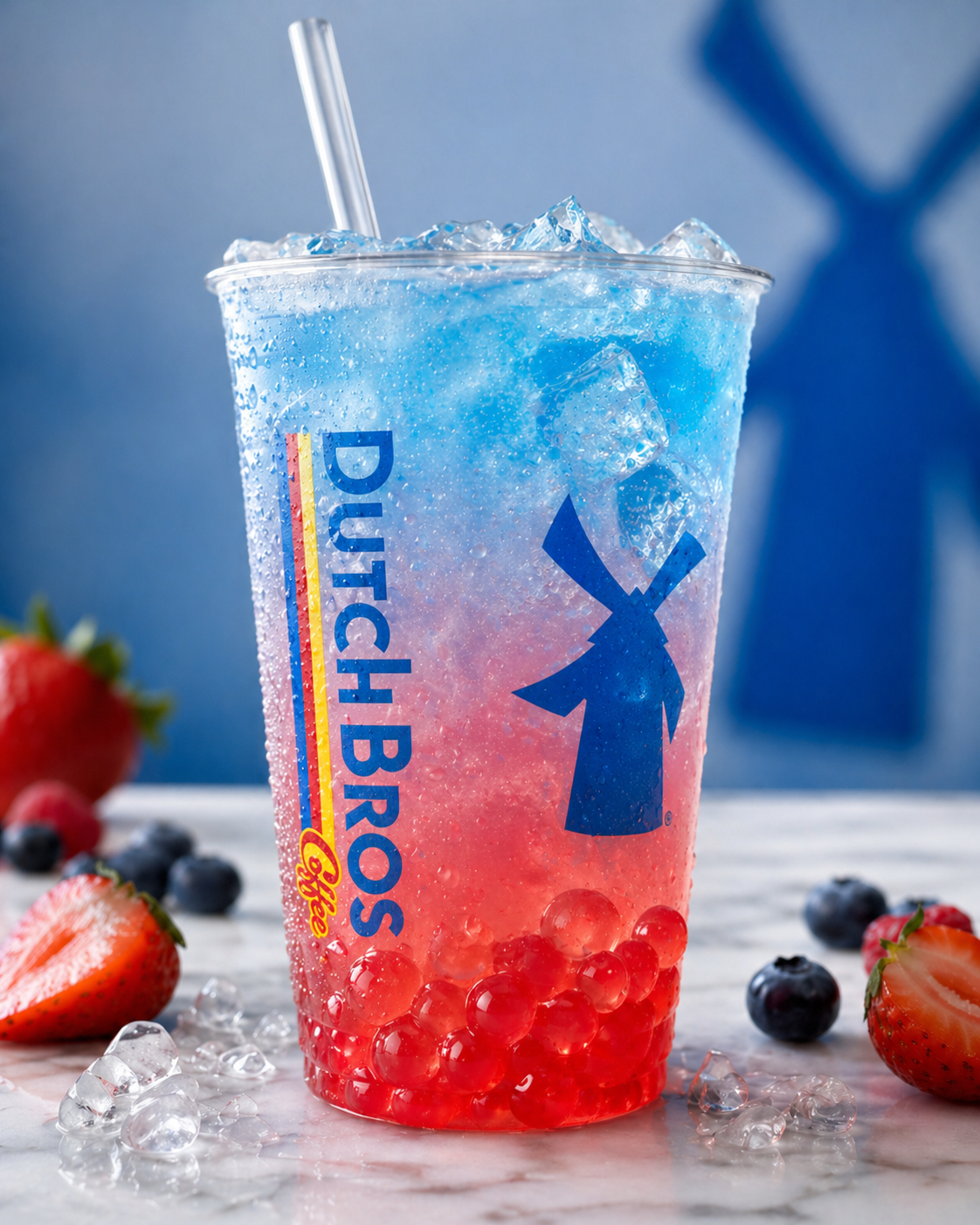
- popping boba
- brown sugar drizzle
- cheese foam or milk cap
- sweeter jellies
That is why a drink can say 0% sugar and still taste pretty sweet.
If there are pearls in it, they were probably soaked in syrup. If there is popping boba, that sweetness is coming from the filling. If there is brown sugar around the cup, that is going to show up in the flavor too.
It is also why two drinks with the same sugar level can taste completely different. A jasmine tea at 50% and a brown sugar milk tea at 50% are not even close to the same thing. The number may match, but the rest of the drink does not.
Once you understand that sugar levels only change the base, ordering bubble tea starts to make a lot more sense. You are not just picking a random percentage. You are deciding how sweet you want the drink itself to be before the toppings get involved.
How Bubble Tea Sugar Levels Shift Calories
| Sugar Level | Sweetness Profile | Approx Calories* | Quick Note |
|---|---|---|---|
| 100% | Full sweet | ~220–300 | House default |
| 70% | Sweet, more balanced | ~200–270 | Easiest first step down |
| 50% | Lightly sweet | ~170–240 | Noticeable calorie savings |
| 30% | Barely sweet | ~150–210 | Tea flavor shines |
| 0% | Unsweetened base | ~120–190 | Still not sugar-free if toppings are sweet |
*Illustrative ranges. For chain-specific numbers, use BobaCal and your chain guides.
Taste, Texture, and Why 50% Still Tastes Sweet
There are usually two things making the drink taste sweet: the syrup in the base and whatever sweetness is coming from the toppings.
Even at 0%, your tongue can still pick up sweetness from pearls, brown sugar streaks in the cup, or richer dairy that makes everything taste rounder and sweeter.
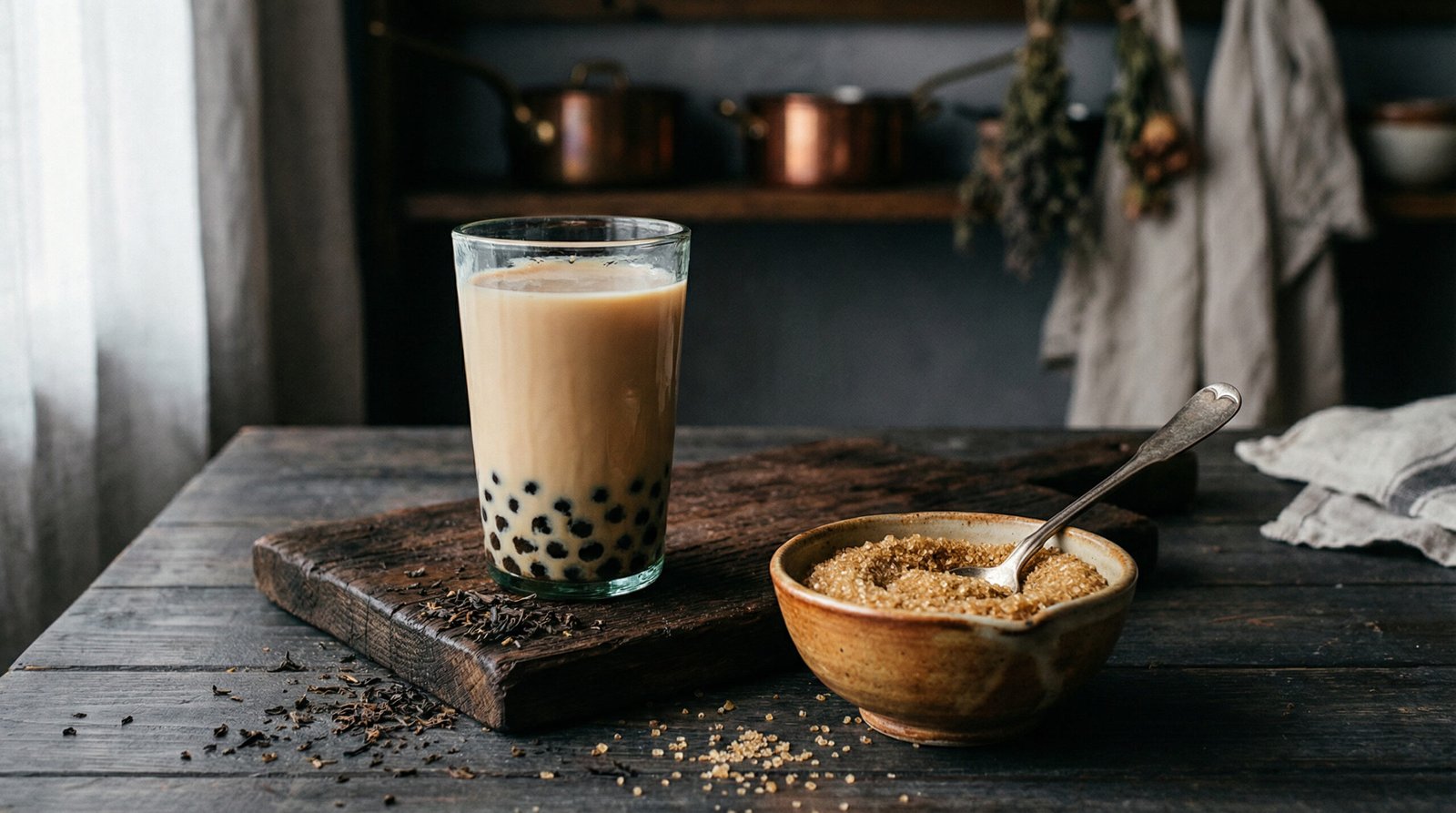
That is one reason 50% sugar works so well for so many people. The drink still feels balanced, but the tea starts to come through more clearly. Roasted oolong tastes nuttier, jasmine green tastes more floral, and Assam starts to show more of that malty depth.
Toppings Matter More Than People Think
Here’s the truth. The pearls give chew and tradition, but they are syrup-soaked. If you like the textures, try the crystal boba or grass jelly or herbal jelly on the lighter side, you’ll keep the fun.
The popping boba are tiny bombs of flavor. Take only half a scoop and you will still have the pop. The milk cap is dessert-level and very rich; ask for light cap or skip it on days you want fewer calories. Brown sugar drizzle paints the cup for that caramel ribbon effect; it’s surprising how far a little drizzle goes.
Lightest-to-Heaviest Toppings
| Topping | Why It Feels Lighter/Heavier | Smart Swap Tip |
|---|---|---|
| Aloe jelly | Delicate texture, lighter per scoop | Pairs with fruit teas |
| Herbal/grass jelly | Not syrup-soaked; gentle sweetness | Fantastic at 0–50% sugar |
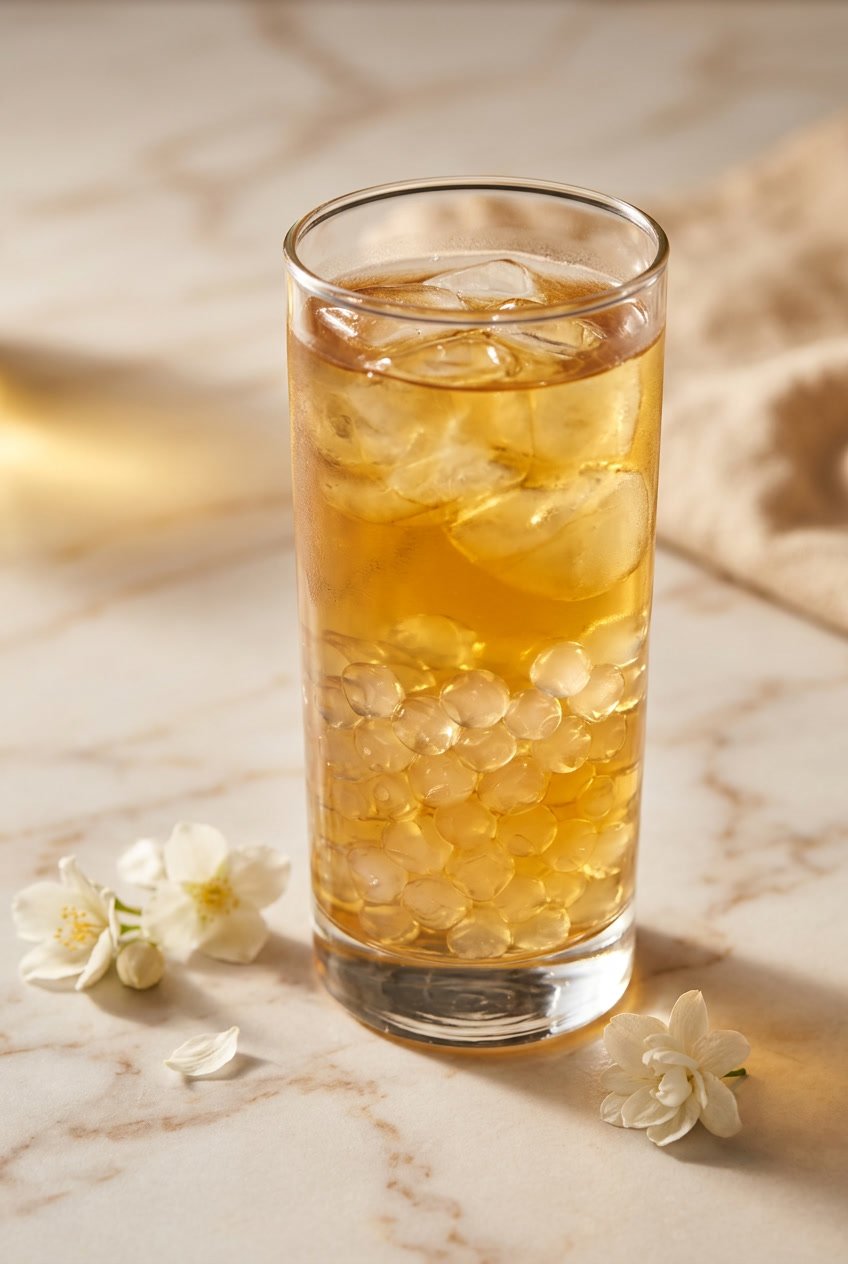
| Crystal boba | Chewy, often lower than pearls per gram | Swap for tapioca pearls |
| Nata de coco & fruit jellies | Middle ground; depends on syrup | Pick one topping only |
| Tapioca pearls | Syrup-soaked chew = more sugar | ½ scoop keeps the texture |
| Popping boba | Concentrated fruit syrup pops | Order ½ scoop |
| Milk cap / cheese foam + brown-sugar drizzle | Dessert-level richness/sweetness | Try light cap or less drizzle |
Milk Choices and Why the Same Sugar % Can Taste Different
Milk Selections and Why the Same Sugar % Can Taste Different
Creaminess changes how sweet things taste.
Whole milk, half-and-half, and non-dairy creamers make sweetness feel broader and bolder.
Oat milk often tastes sweeter than almond or soy because of natural oat sugars and that “cookie” vibe.
This is why 30% sweetness with oat milk can taste like 50% with almond milk. If you’re trying to dial down sweetness, try your favorite milk at 50%, then at 30% and you’ll taste more of the tea itself.
The Three-Visit Reset
5 easy scripts for lighter sips
- Jasmine Milk Tea 50% sugar, light ice, ½ scoop pearls.
- Roasted Oolong Milk Tea 30% sugar, no toppings.
- Passionfruit Green Tea 30% sugar, aloe jelly, regular ice.
- Brown Sugar Milk Tea 50% sugar, less drizzle, light cap.
- Classic Milk Tea 0% sugar, grass jelly, small.
Save these easy order scripts to Pinterest
The Reality Check
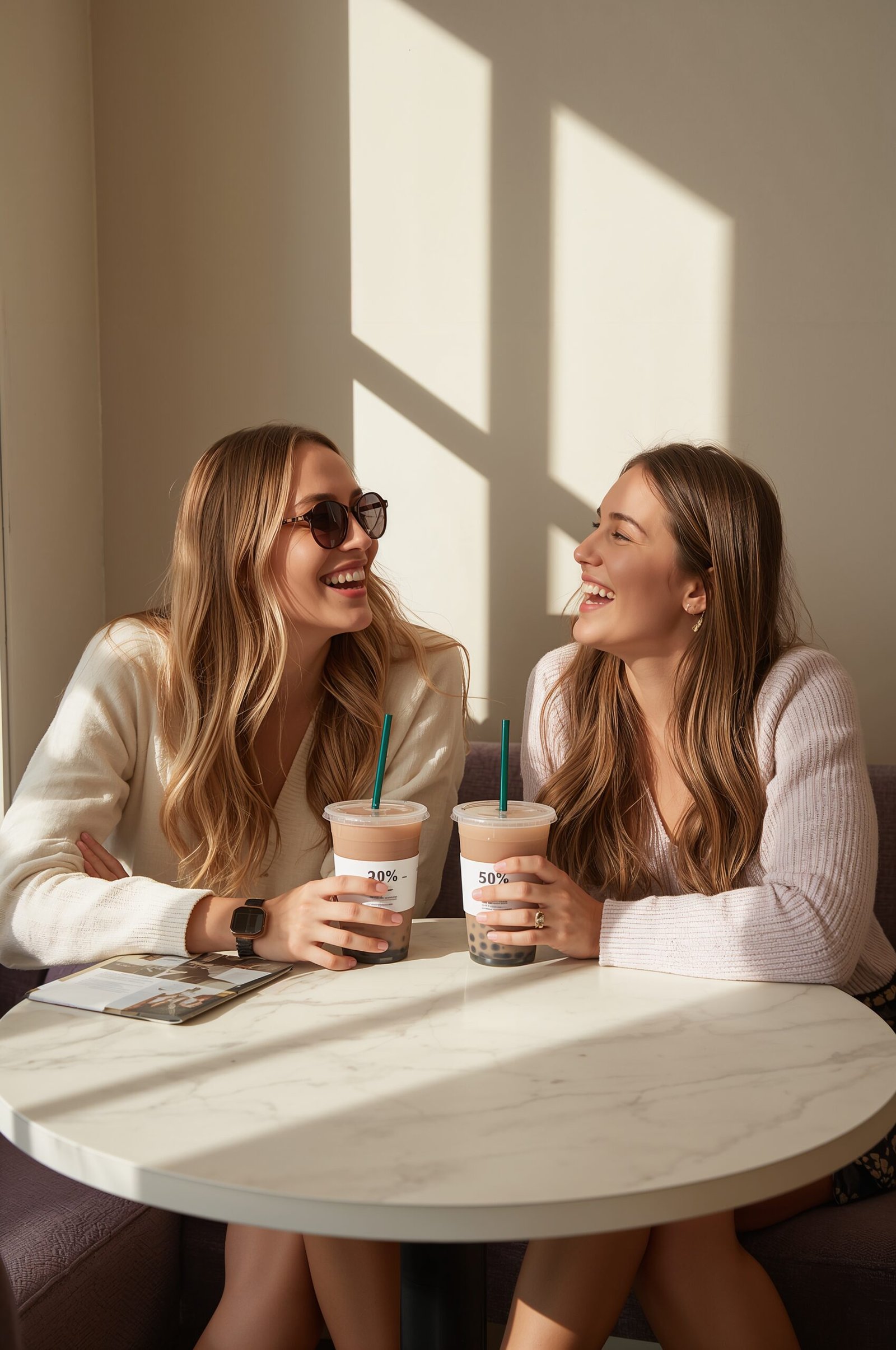
So, when you order “50% sugar,” you aren’t getting a low-sugar drink. You are getting a drink with roughly half the massive standard amount. That is still a significant amount (often 25g to 35g)—roughly equivalent to drinking an entire can of full-sugar soda in one sitting. It’s better than 100%, but it is by no means “low sugar.”
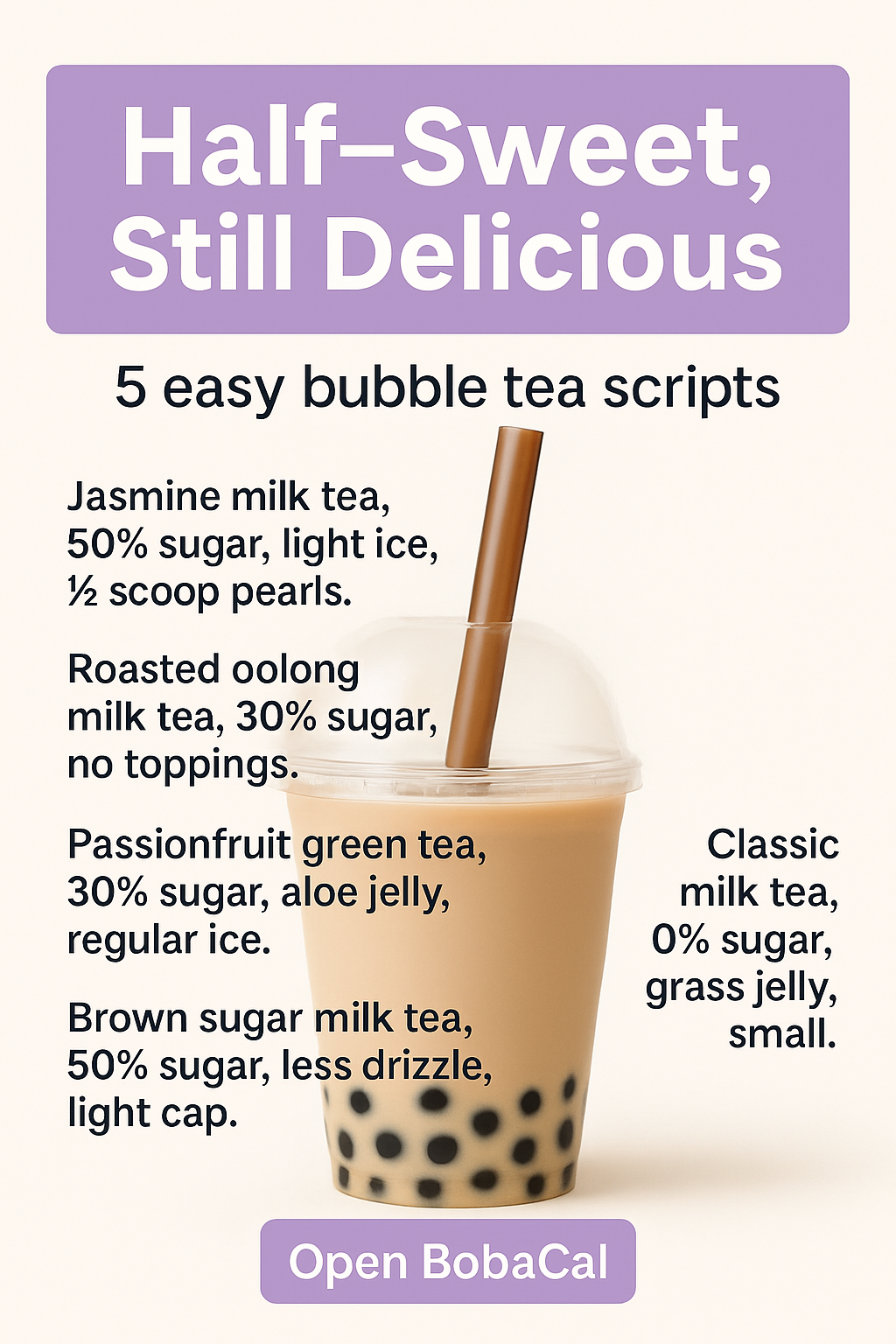
Half-sweet ideas you can order anywhere and learn how bubble tea sugar levels affect calories and taste, then test combos in BobaCal.
Quick tips by brand. Tap a guide to see sugar-level deltas, toppings, and smart swaps.
Chain-by-Chain
- Gong Cha: 30–50% lets the tea speak; grass jelly/aloe are great when cutting sugar.
- Kung Fu Tea: If pearls are a must, go ½ scoop and drop one sweetness level.
- Chatime: Fruit teas sparkle at 30–50%; milk cap is rich. Try light cap.
- Sharetea: Nata de coco or grass jelly are lighter chewy swaps.
- Tiger Sugar: Brown-sugar series is indulgent. Ask for less drizzle and consider a smaller size.
- CoCo Fresh: Fruit teas usually land nicely at 30–50% for balanced sweet.
Explore More Bubble Tea Chains
Tap a card to open the full Calories & Nutrition Guide.

Common Mistakes and Quick Fixes
- 0% base + heavy toppings. Pick one indulgence, not three.
- Jumping from 100% → 0%. Step down 70% → 50% → 30%.
- Assuming fruit tea = always light. Watch sugar % and popping boba.
- Relying on ice alone. Helpful, but sugar % + toppings do the heavy lifting.
- FDA — Added Sugars: nutrition facts & labeling What “added sugar” means on labels.
- USDA FoodData Central — Calories per gram (sugars) Sugar provides ~4 kcal per gram.
FAQ
What do bubble tea sugar levels like 0%, 30%, 50%, 70%, and 100% actually mean?
0% removes sweetener from the base only. Toppings like pearls, popping boba, brown-sugar drizzle, and milk cap still add sugar and calories.
How many calories does 50% sugar save?
It depends on the chain and recipe, but 50% usually cuts a meaningful amount of sugar from the base. Pair it with a lighter topping or half a scoop for the biggest difference.
What’s the lowest-calorie topping?
Jellies like aloe or herbal/grass jelly are usually lighter than tapioca pearls. Crystal boba is another lighter chewy option.
Is brown sugar milk tea always high?
Usually yes, it leans much more dessert-like. Asking for less drizzle, keeping toppings simple, and sizing down can help.
What is the best sugar level if I’m new to low sugar?
For most people, 50% is the easiest place to start. Once that feels normal, 30% is usually the next step.
Try It in BobaCal
Compare your drink at different bubble tea sugar levels in BobaCal Two clicks and you’ll see which combo fits your day.
Now, when I choose a sugar level, I think about both flavor and how I want to feel after I finish the cup. Some days I happily go for 100 percent because it is a treat and I am okay with that.
Other days I choose 30 percent or zero and let the toppings or the tea do the talking. Learning what sugar levels really change for calories and taste has made me feel calmer about bubble tea in general.
I am not guessing anymore. I am choosing on purpose.
You don’t have to give up bubble tea to feel good about bubble tea. Tweak the sugar level, choose a lighter topping, maybe size down, and let the tea do what tea does best – taste amazing. Keep the joy, dial back the syrup, and sip happy. 🧋✨