What is Bubble Tea? (Boba)
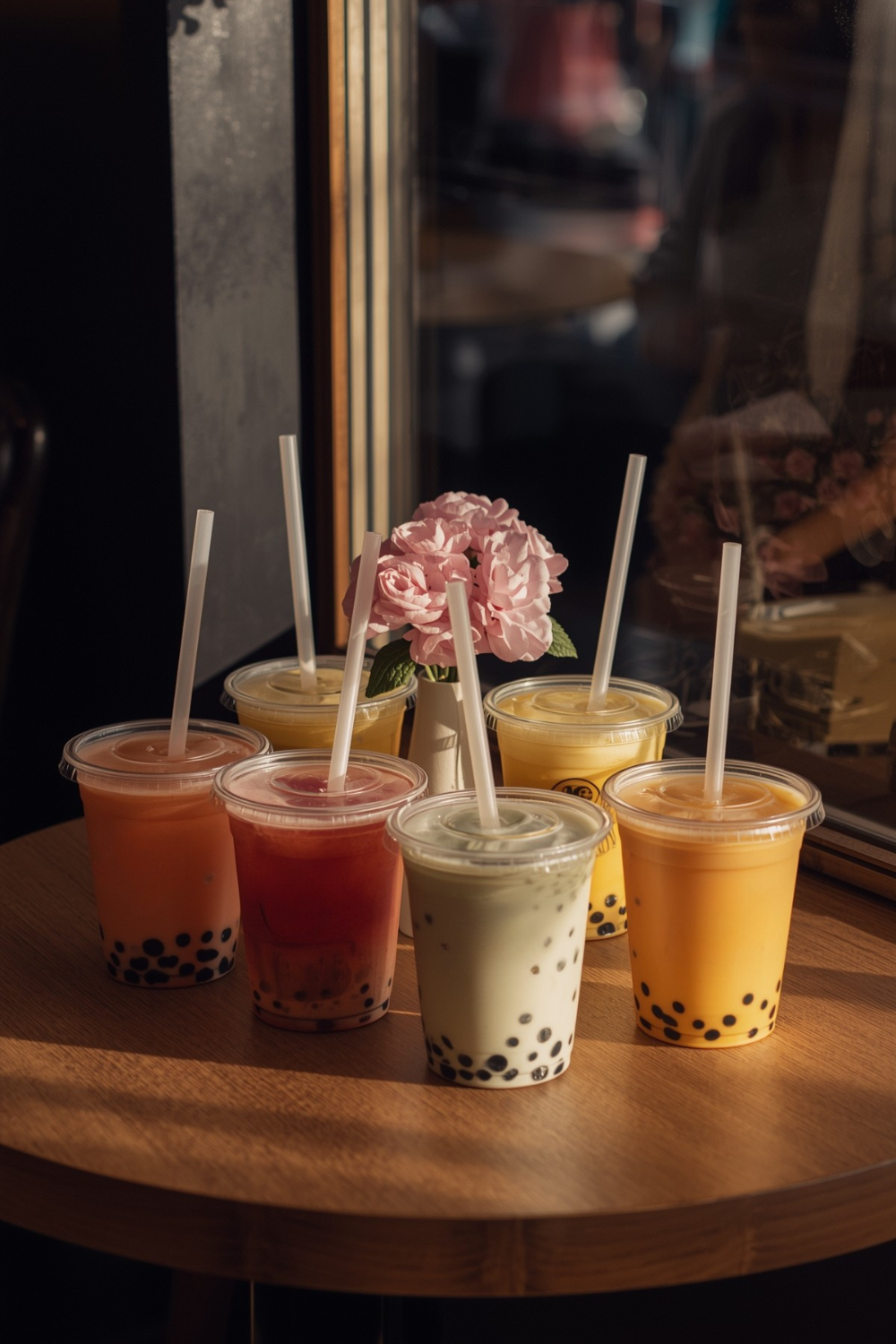
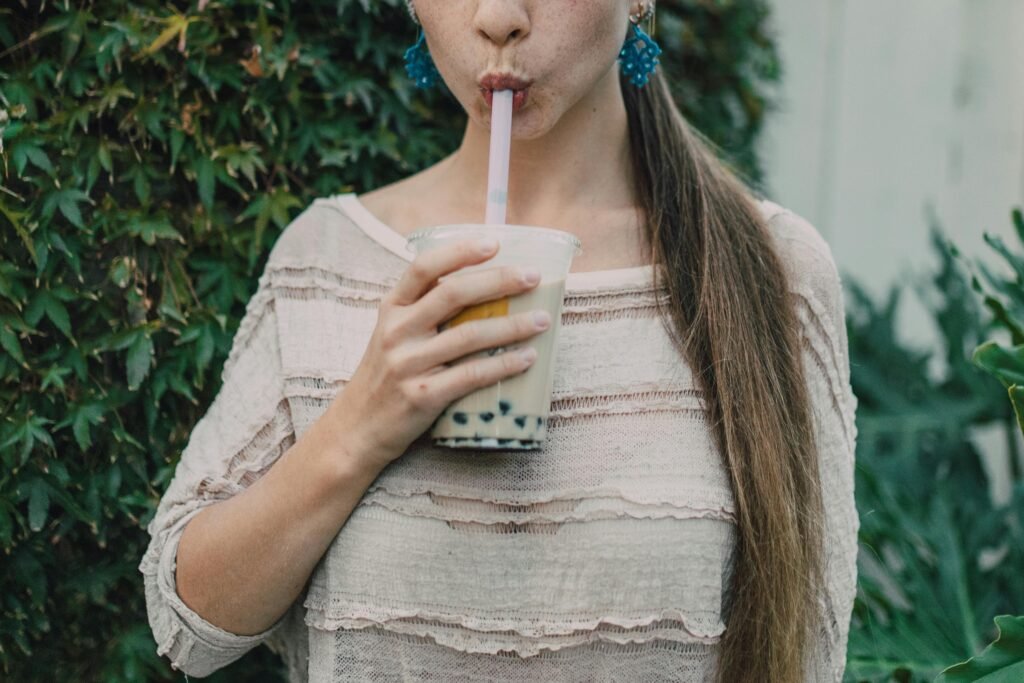
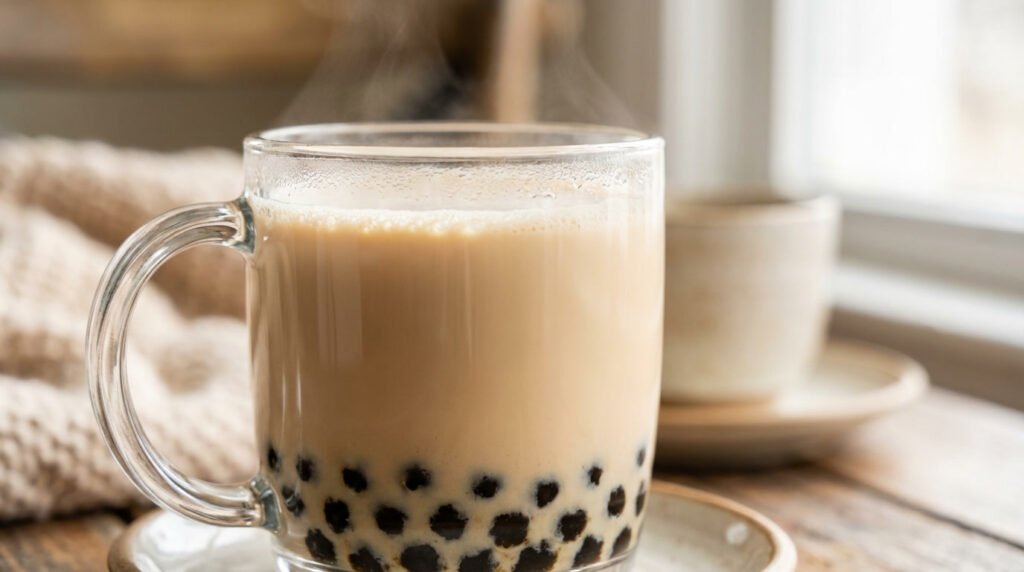
What is bubble tea? Bubble tea is a cold tea-based drink made with tea, milk or fruit, sweetener, ice, and often chewy toppings like tapioca pearls.
The first time I ordered bubble tea, I had absolutely no idea what I was doing.
I remember standing there looking at the menu, pretending I understood the options while quietly wondering why one drink needed this many decisions. Tea base. Sugar level. Ice level. Toppings. Suddenly it felt less like ordering a drink and more like taking a small exam in public.
Then it arrived, looking sweet and harmless, and the first sip sent chewy little pearls straight up the straw. I froze for a second. Was I supposed to chew this? Swallow it? Pretend this was all completely normal?
Strangely, I loved it!
From there, it gets a lot more customizable, which is part of the fun. And once you understand the basics, the whole thing feels much less mysterious.
1. The Quick Answer: What is Bubble Tea, Really?
Bubble tea is a cold, sweet, tea-based drink that usually includes chewy toppings you sip and chew at the same time.
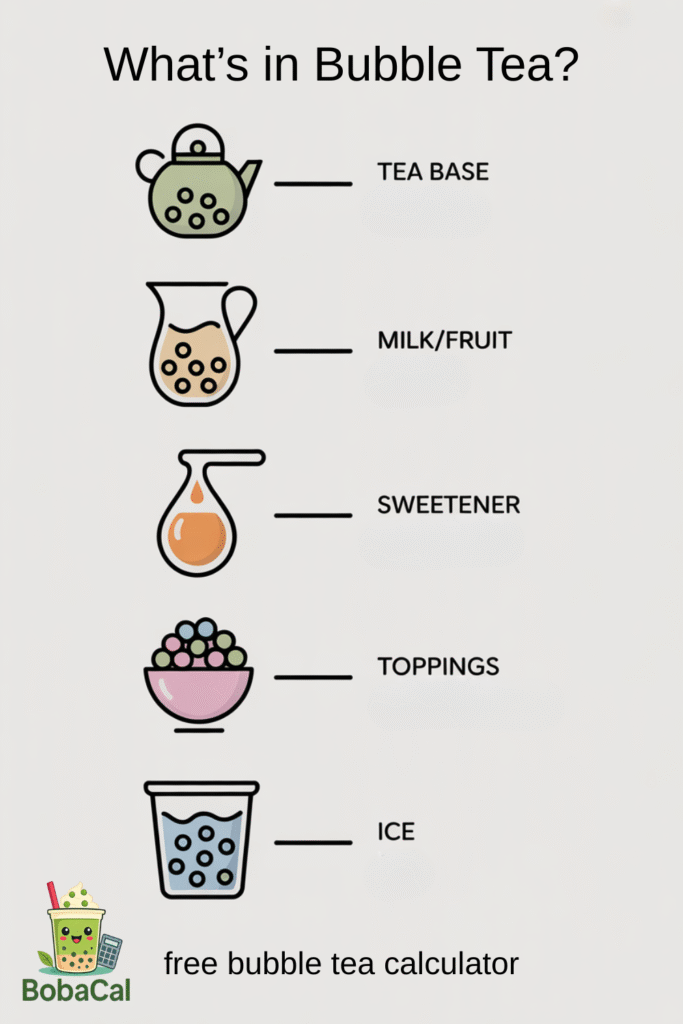
Most bubble tea contains:
- A tea base (black, green, oolong, or jasmine)
- A milk or fruit flavor element
- Sweetener
- Ice
- Optional toppings
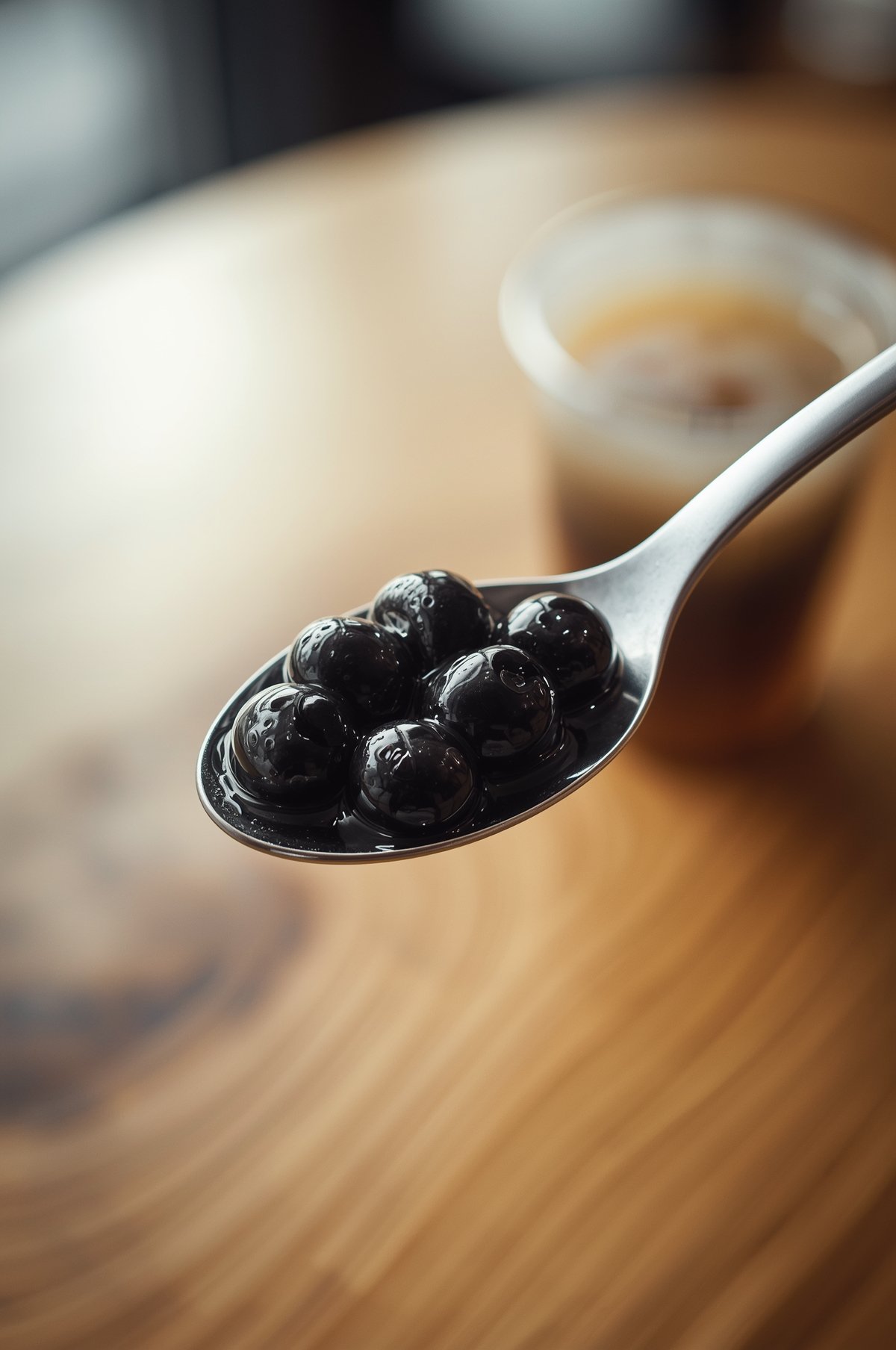
Those chewy toppings are often tapioca pearls. These are what many people call boba.
Here’s the simple version.
Bubble tea is the drink.
“Boba” usually refers to the pearls, but people also use it to describe the whole drink.
So no, you are not saying it wrong. You’re just officially part of the bubble tea club now.
In simple terms, when people ask what bubble tea is, the answer is a cold tea-based drink with milk or fruit, sugar, ice, and chewy toppings.
If you’re curious about the nutrition side of things, I break down what’s actually inside your cup in Bubble Tea Nutrition: 7 Key Facts so you can enjoy it without guessing.
2. Quick History: Where Did the Name “Bubble Tea” Come From?
Bubble tea started in Taiwan in the late 1980s. Tea shop owners began shaking tea with milk, sugar, and ice, which created bubbles on top. That is where the name originally came from.
Later, someone had the brilliant idea to add chewy tapioca pearls, and honestly, the rest is history. One small decision, and suddenly we all have profound opinions about sugar levels.
From Taiwan, bubble tea traveled across Asia and then to cities all over the world. Now you can find it everywhere, from trendy cafés to tiny neighborhood spots that somehow always stay busy.
I found my first bubble tea walking through New York, staring at a menu like I’d accidentally signed up for a minor exam.
3. Deconstructed: The 5 Parts of Your Classic Cup
Once you understand what goes into it, bubble tea becomes much less mysterious and far more intentional.
1. The tea base
Bubble tea usually begins with one of the following tea bases:
- Black tea
- Green tea
- Oolong tea
- Jasmine tea
This gives the drink its flavor and typically a gentle caffeine lift. From a nutritional standpoint, this base is relatively light. The indulgence usually comes later.
2. The milk or fruit element
This is where your drink’s personality shows up.
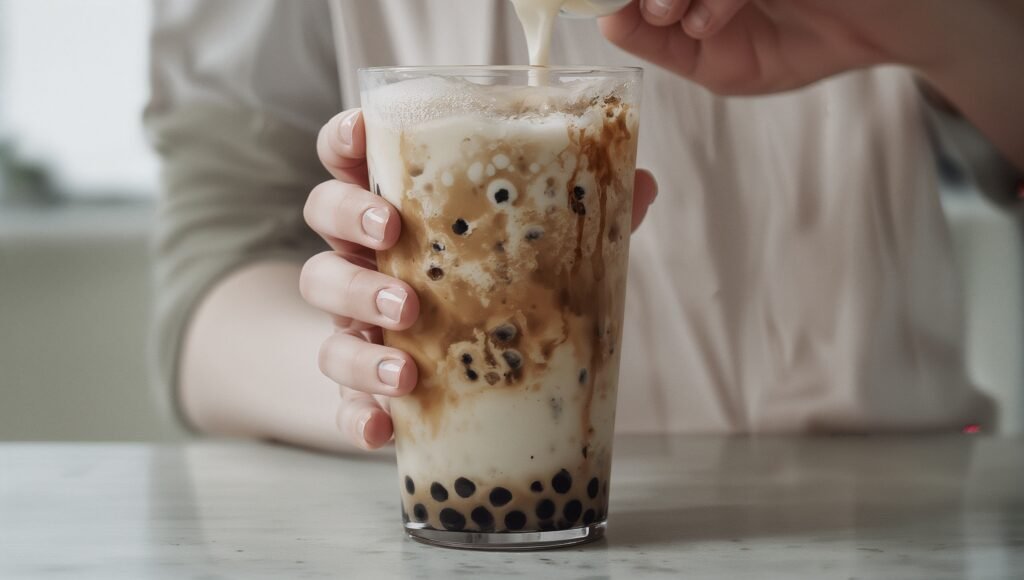
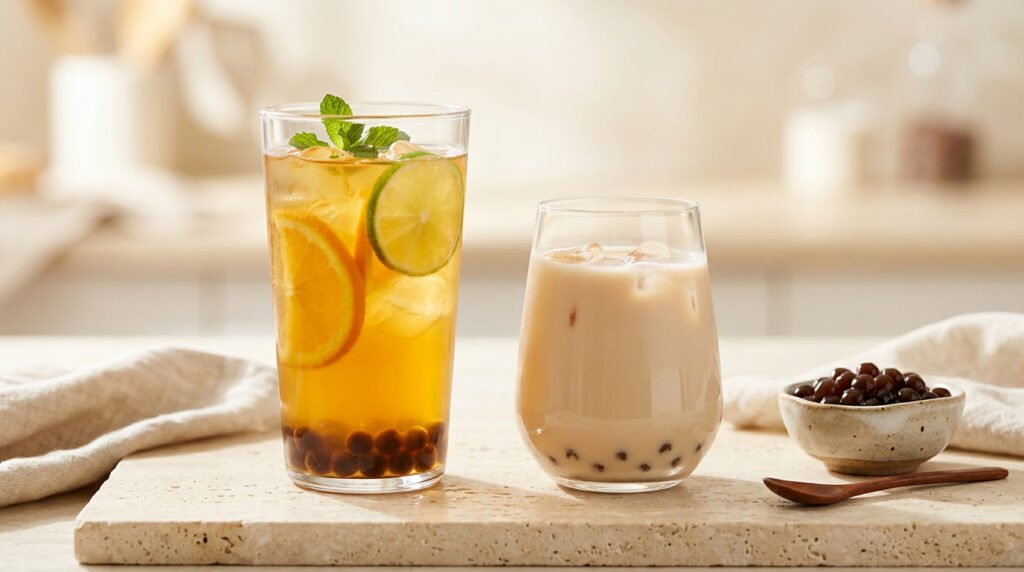
Milk teas are creamy, cozy, and slightly indulgent. Fruit teas are brighter, fresher, and more refreshing. Both have their place, depending on mood, weather, and emotional state.
If you’re more of a make-it-at-home person, I show you how to build your own base step by step in How To Make Bubble Tea At Home.
3. Sweetener
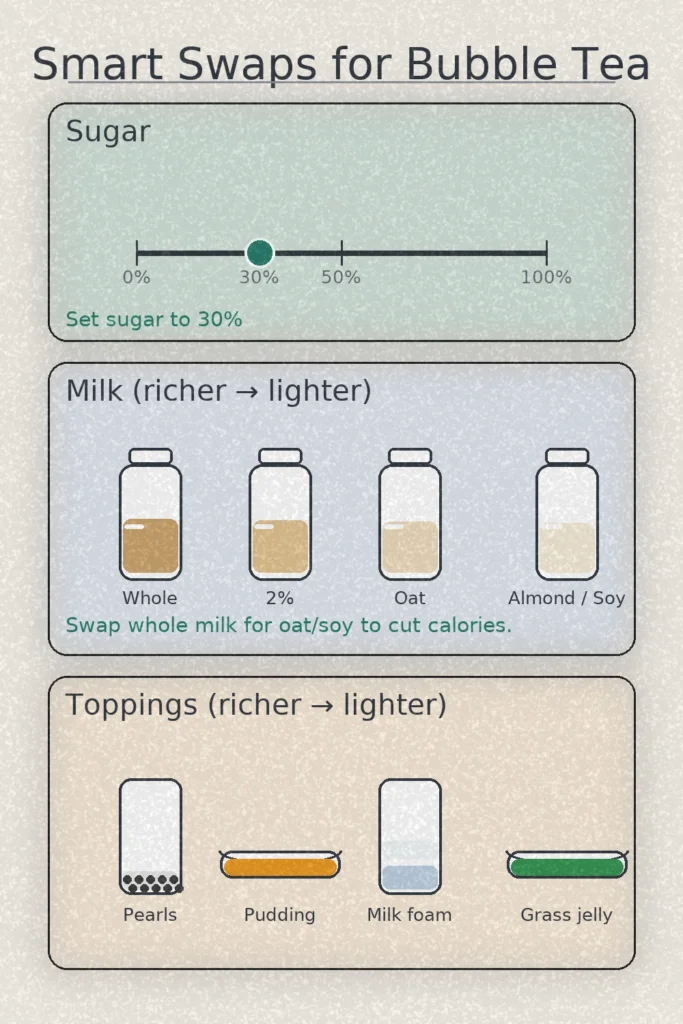
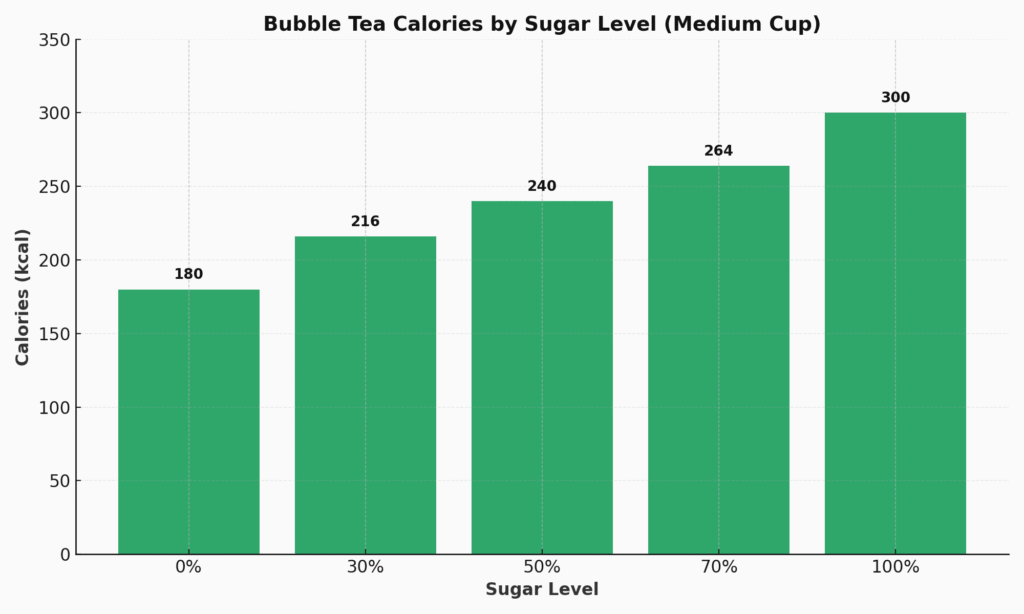
Most shops allow you to choose your sugar level. Common options include 100%, 70%, 50%, 30%, or 0%.
This one choice has the biggest impact on overall calories and how your bubble tea feels in your body.
After years of trying different bubble tea shops across New York (and beyond), I’ve noticed most people accidentally overdo the sugar without even realizing it.
Reducing sugar even slightly can dramatically change the nutritional profile without changing the experience too much. Fifty percent is an excellent middle ground for most people. I talk more about sugar levels and simple swaps in Bubble Tea Calories: The Ultimate Guide
4. Ice
Ice affects intensity. Less ice feels richer and more concentrated. More ice feels lighter and more diluted. This selection is a personal preference, not a moral decision.
5. Toppings
Now that you know what bubble tea is, let’s look at the toppings, which is the playful part. Common toppings include:
- Tapioca pearls
- Brown sugar pearls
- Grass jelly
- Aloe
- Pudding
- Cheese foam
Each topping changes the texture and calorie content of your drink. Pearls are delicious, but they are also where many of the hidden calories live.
4. What Does Bubble Tea Taste Like?
The honest answer is: it depends on what you order.
Milk teas usually taste creamy, sweet, and a little comforting. Fruit teas tend to feel lighter, brighter, and more refreshing.
The pearls themselves do not have a huge flavor. They are mostly about texture. They are chewy, slightly sweet, and meant to be sipped and chewed at the same time, which is exactly why bubble tea feels so different from a regular iced tea or coffee.
The first time can feel a little strange. Then it starts to make sense. And not long after that, you are confidently recommending sugar levels and toppings like this has always been part of your personality.
If you are still figuring out what different sweetness levels actually feel like, my Bubble Tea Sugar Levels guide makes that much easier to understand.
5. The Big Question: Is Bubble Tea Healthy?
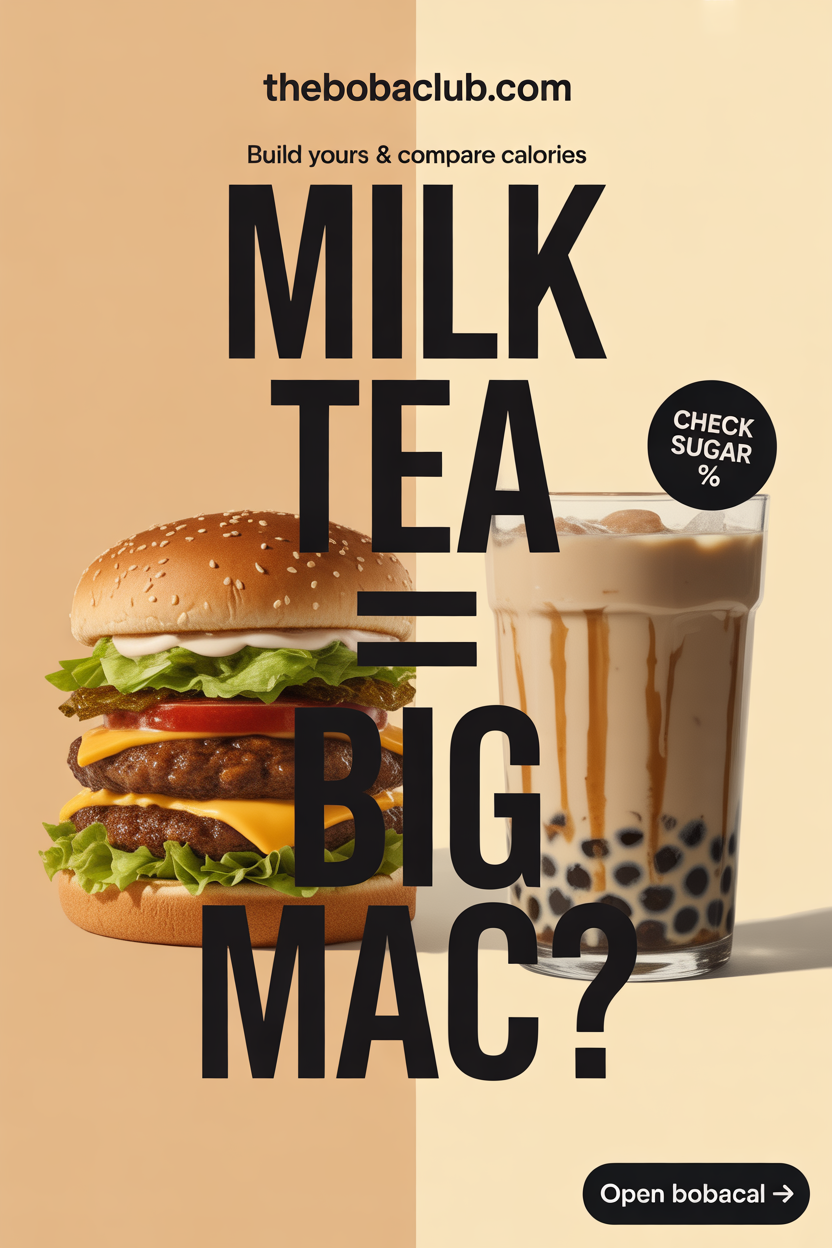
Bubble tea is not automatically unhealthy, but it is not really a health drink either. It usually comes down to how you order it.
A large milk tea with full sugar and pearls can feel a lot more like dessert. A smaller fruit tea with less sugar can land very differently.
The things that usually make the biggest difference are:
- size
- sugar level
- type of milk
- toppings
So when people ask if bubble tea is healthy, the honest answer is: sometimes yes, sometimes not really. It depends on what ends up in the cup. If you want a fuller breakdown, my Bubble Tea Nutrition Guide goes into that in more detail. And if you want practical examples, Bubble Tea Under 200 Calories shows how a few small changes can make a big difference.
6. Beginner’s Guide: What Should My First Order Be?
If you’re new and the menu feels overwhelming, keep it simple and forgiving.
Comfortable first options:
- Classic milk tea, 50% sugar, medium, pearls
- Jasmine green tea with mango, 30% sugar, aloe
- Brown sugar milk tea, small size, half pearls
Your first bubble tea does not need to be perfect. It just needs to be honest.
Lisa-ism: Your first boba doesn’t need to impress the barista. It just has to feel right to you.
Once you know what you like, you can start playing with sugar levels, toppings, and sizes. The post titled “My Bubble Tea Nutrition: 7 Key Facts” is an excellent resource for understanding how each choice impacts calories and sugar.
7. Bubble Tea vs. Boba: Settle the Name Debate
“Bubble tea” is a term that describes the complete beverage.
“Boba” usually refers to the pearls, but many people also use it to describe the whole drink.
So when someone says, “I’m getting boba,” they usually mean bubble tea with toppings. No stress. Even seasoned fans have their own interpretations.
For a more nerdy breakdown of names, toppings, and textures, you can read The Best Bubble Tea Toppings, where I separate the myths from reality.
The Bottom Line
Bubble tea is a customizable drink that blends flavor, texture, and choice in one cup.
It can be light or indulgent, simple or elaborate, refreshing or creamy. That is part of what makes it so popular.
If you came here asking what bubble tea is, the short answer is this: it is a tea-based drink with milk or fruit, sweetener, ice, and optional chewy toppings like boba.
Once you understand the basics, ordering it gets much easier. And somewhere along the way, it usually stops feeling confusing and starts feeling like a little ritual.
If you want help with the next step, my guides to Bubble Tea Toppings, Bubble Tea Sugar Levels, and the Ultimate Bubble Tea Calories Guide will help you order with a lot more confidence.
Frequently Asked Questions
What is bubble tea made of?
Bubble tea is made from tea, milk or fruit, sugar, ice, and optional toppings like tapioca pearls or jellies.
Is bubble tea the same as boba?
Often, yes. “Boba” can mean the pearls or the drink, depending on who you ask.
Does bubble tea contain caffeine?
Most bubble teas contain caffeine because they are made with real tea, unless you choose a caffeine-free base.
Are bubble teas dairy-free?
Many can be. Most shops offer oat, almond, soy, or non-dairy alternatives.
Is bubble tea bad for weight loss?
Not necessarily. Your size, sugar level, and toppings matter far more than the drink itself. If you want support with this, my Bubble Tea Nutrition: 7 Key Facts article walks you through how to make calmer choices without giving up your cup.